Get Full Government Meeting Transcripts, Videos, & Alerts Forever!
Get email alerts on the Child Welfare topic
No spam. Unsubscribe anytime.
County staff warn new "active efforts" child‑welfare standard will strain Pine County resources
Summary
Health & Human Services staff told commissioners the new state active-efforts standard, effective Jan. 1, 2027, will require more staff time and funding; staff cited long-running cases that have already cost hundreds of thousands and hundreds of staff hours.
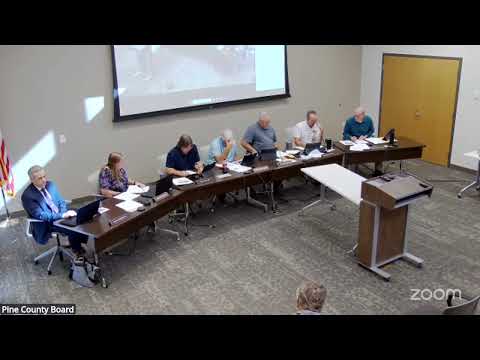
Pine County Health & Human Services Director Becky Fossing (Speaker 7) told commissioners that a new Minnesota law raising requirements for "active efforts" in child‑welfare cases will significantly increase local workload and costs when it takes effect on Jan. 1, 2027. Fossing said local staff had modeled implementation and concluded the county would likely need additional supervisors and administrative support to comply.
Fossing summarized staff analysis and case examples, warning commissioners that active‑efforts cases demand more intensive casework. One presenter said a family case opened in January 2020 had cost "about $350,000" over 4½ years and that a separate reasonable‑efforts case had a single worker logged 255 hours in a short period. "It really does mean a lot more for local agencies related to active efforts," Fossing said, adding that the change "will take a lot of resources in terms of staff time and financial services." Commissioners discussed state funding expectations and urged raising the issue with legislators; staff said the law was passed broadly in the legislature but local fiscal impacts remain substantial.
HHS staff and several commissioners questioned whether the county could meet the standard without additional state support and suggested continued advocacy. The board acknowledged the statutory deadline and directed staff to continue preparing fiscal notes and to use state partnerships to seek clarity and resources.