Get Full Government Meeting Transcripts, Videos, & Alerts Forever!
Get email alerts on the Tribal Relations topic
No spam. Unsubscribe anytime.
Ho-Chunk legislator urges Vernon County to coordinate on data centers, power-line proposals
Summary
Damian Thunderclot, a legislator for the Ho-Chunk Nation, told a Vernon County committee the Nation wants closer communication and a partnership to respond to proposed data centers and a transmission line; he offered resources, said tribal trust land gives the Nation different authority, and encouraged joint planning around environmental and funding priorities.
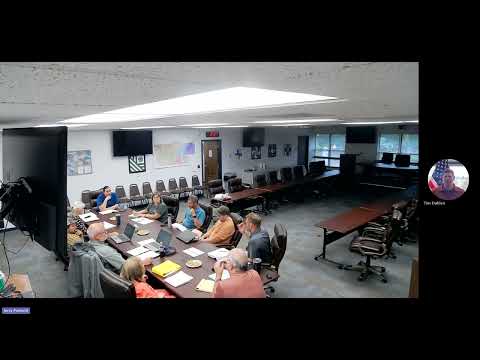
Damian Thunderclot, a legislator for the Ho-Chunk Nation who represents District 2, told the Vernon County committee he wants a clearer, regular line of communication between the Nation and county officials about land use and infrastructure proposals that affect tribal lands and neighboring townships. "And if anything can happen or move along or if I can connect you with anyone, whether it's educational, you know, obviously, we have different departments within the nation that can bring educational pieces in here," Thunderclot said.
Thunderclot said he has been tracking county minutes and attending township meetings where proposed data centers and a proposed transmission line—a project he referred to as the "High Line"—have drawn public concern. He said the Nation provides funding tied to county projects and that trust land status gives the Nation different authority over proposed uses on that land, noting federal trust lands are governed differently than county property. He urged the county to treat the Nation as a resource and invited county officials to meet directly with Nation staff to discuss zoning and environmental work.
Committee members and staff discussed the rapid pace of data-center interest in the region and noted that many townships are considering temporary zoning to address the issue. Thunderclot said he and Nation staff could provide educational resources and department contacts (agriculture, social services, health, cultural resources) to support local planning and watershed projects. "For times like this, right?" he told the committee, arguing that early coordination could give towns and the county more options when large developments are proposed.
The committee thanked Thunderclot and discussed next steps for coordinated outreach; he offered business cards for committee members to use when they need direct contact. The committee agreed to leave further discussion on the next agenda so the full board could consider a broader presentation from the Nation.