Get Full Government Meeting Transcripts, Videos, & Alerts Forever!
Get email alerts on the Transportation topic
No spam. Unsubscribe anytime.
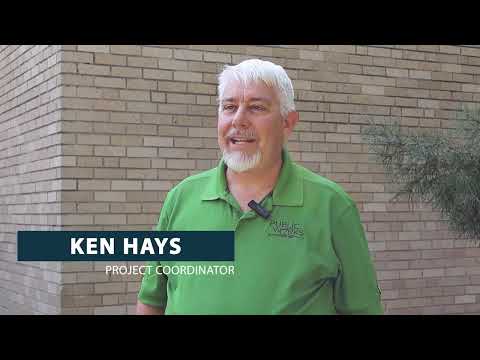
Manhattan project coordinator announces K‑18 pedestrian improvements on Fort Riley Boulevard
Summary
City of Manhattan project coordinator Ken Hayes described a K‑18 pedestrian project to complete a north‑side sidewalk, reconfigure the Fort Riley Boulevard–Martin Luther King Drive intersection into a T, and address safety concerns; KDOT will fund and manage the work beginning August 2026.
Ken Hayes, project coordinator for the City of Manhattan, announced the K‑18 Pedestrian Improvement Project on Fort Riley Boulevard, saying it will complete a sidewalk on the north side of the road and improve pedestrian access at the Fort Riley Boulevard and Martin Luther King Drive intersection. The project is funded through KDOT and will be managed by KDOT with assistance from the City of Manhattan.
Hayes said the work is twofold: "This project is twofold." He described converting the intersection to a traditional T intersection — removing the existing acceleration lane — citing a history of crashes and concerns for pedestrians crossing there. Hayes warned that construction will require lane shifts and lane closures from Westwood through the Martin Luther King Drive intersection and said the schedule calls for the work to begin in August 2026. "So this project will start in August 2026 and supposed to take around 6 months," Hayes said.
The changes are intended to create an east–west pedestrian connector and reduce conflicts where vehicles use the acceleration lane. KDOT will oversee construction; the City of Manhattan will provide local assistance. Officials did not provide a more detailed phasing plan or traffic-control schedule at the briefing.
A start date in August 2026 and an approximate six‑month duration were given; specific firm dates, detour routes and temporary pedestrian accommodations were not specified at the presentation.