Get Full Government Meeting Transcripts, Videos, & Alerts Forever!
Get email alerts on the School Finance topic
No spam. Unsubscribe anytime.
Middletown Unified reports small positive variance in unaudited actuals; reserves remain thin
Summary
Business staff told the board the district closed the year with a $2,572 increase to unrestricted ending fund balance and a combined ending balance of about $12 million, but a 3.4% reserve leaves less than one month of expenditures covered. The board approved the unaudited actuals and discussed next steps for multi‑year projections.
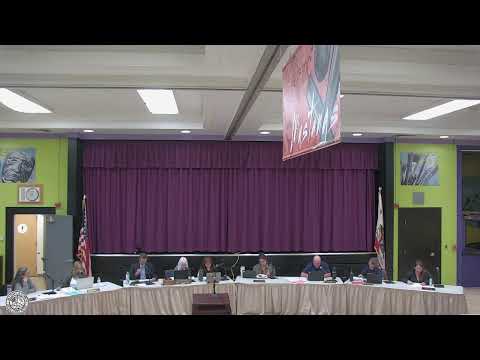
The Middletown Unified School District board on Sept. 10 approved the district's unaudited actuals for the prior fiscal year, with business staff reporting a modest increase to the unrestricted ending fund balance of $2,572 and a combined ending fund balance of about $12,000,000.
District business staff presented a line‑by‑line summary of balances and transfers, telling the board: "the district finished the year with an increase to the unrestricted ending fund balance of $2,572" and noting an unassigned balance of roughly $4.5 million and a reserve of 3.4 percent (about $812,000). The presentation flagged a $2.7 million contribution from the general fund to special education and a restricted Golden State Pathways award of $1.2 million for career‑technical pathways that is pending final budget approval from the CDE.
Board members pressed staff on how the unaudited numbers affect the district's multi‑year projections and on the schedule for the first interim report. Superintendent Jeff Crane and business staff emphasized that the first interim (through Oct. 31) will provide a clearer multi‑year picture and that the county review will follow. "We will be able to have those conversations with them and be able to make the decisions that we need to make," the superintendent said during discussion of next steps.
The board approved the unaudited actuals by voice vote. Trustees discussed structural deficits versus planned deficit spending, with staff explaining that some deficits are the result of spending prior one‑time awards (restricted funds) while a structural deficit would be a recurring shortfall year over year. Trustees requested a study session on budget timing and process ahead of the 1st interim reporting cycle.