Get Full Government Meeting Transcripts, Videos, & Alerts Forever!
Get email alerts on the Environmental Technology topic
No spam. Unsubscribe anytime.
Private developers pitch pyrolysis waste‑to‑energy plant; commissioners press on emissions, emergency plans
Summary
A private team proposed a pyrolysis (biochar) plant expected to process up to 24,000 tons/year, generate about 4 MW and produce biochar and carbon credits. Commissioners asked for stack testing, emergency shutdown procedures and a detailed operations plan before entertaining next steps.
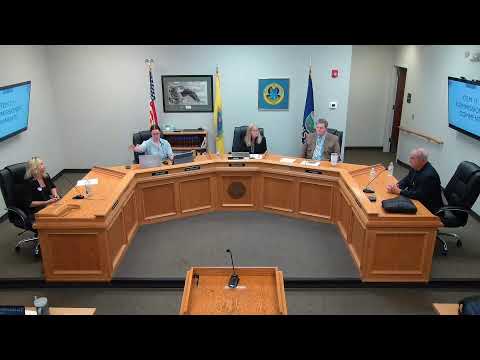
A development team presented a proposal for a pyrolysis waste‑to‑energy facility that would process wood waste and sewage sludge into biochar and electricity. The presenter described a commercialized unit that “would handle 24,000 tons of solid waste per year” and generate roughly 4 megawatts of energy when running.
The presenters said the facility would produce multiple revenue streams—biochar sales, carbon credits and tipping fees—and could supply roughly 0.5 MW of power to city sites and public EV chargers. They emphasized that units have been air‑permitted in other jurisdictions, argued biochar carbon credits are straightforward to underwrite, and outlined state and USDA interest in biochar for agricultural and remediation uses.
Commissioners expressed questions about emissions, odor, emergency shutdown procedures and local impacts. One commissioner asked for specifics on emergency response and tornado‑related shutdowns; presenters said they would provide those operational details but did not have a full answer during the meeting. Commissioners asked staff to collect permitting documentation, stack test results from jurisdictions where the technology operates and a written emergency operations plan before the item advances for any local approvals.
No formal action to approve or deny the proposal was taken; the presentation was accepted for follow‑up with requests for additional technical and environmental information.