Get Full Government Meeting Transcripts, Videos, & Alerts Forever!
Get email alerts on the Mental Health topic
No spam. Unsubscribe anytime.
New Jersey forms advisory committee to improve mental health care for deaf, hard of hearing
Summary
Elizabeth Hill of the New Jersey Department of Human Services Division of the Deaf and Hard of Hearing announced a new advisory committee to review services, identify gaps, and recommend workforce and training improvements to make mental health care more culturally and linguistically accessible to deaf and hard of hearing residents. Hill did not provide membership or a timeline.
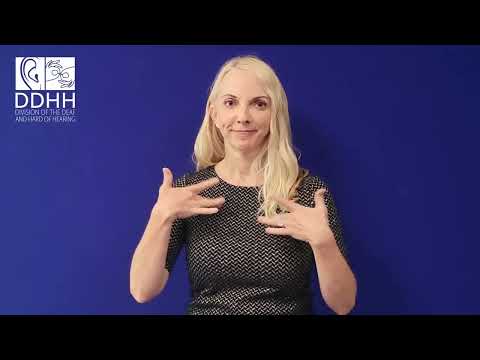
Elizabeth Hill, executive director with the New Jersey Department of Human Services Division of the Deaf and Hard of Hearing, announced the creation of a new advisory committee intended to improve mental health services for deaf and hard of hearing people across the state. "We're excited to announce a new advisory committee dedicated to improving mental health services for deaf and hard of hearing people across New Jersey," Hill said.
Hill said the committee's mission "is simple, to help ensure that deaf and hard of hearing individuals have access to high quality mental health care that respects their language, communication needs, culture, and lived experiences." She outlined specific tasks for the panel: review existing mental health services for deaf and hard of hearing New Jerseyans, identify gaps in services and workforce needs, examine barriers to access, and recommend practical steps to improve culturally and linguistically responsive care statewide. Hill also said the committee will look at strengthening the behavioral health workforce by assessing needs for providers, clinicians, "qualified interpreters," and other trained professionals, and will review education, training and best practices that can be implemented across the state.
Hill said the committee will include both professionals and people with lived experience to guide its work, and framed the effort as aimed at helping people communicate directly with providers who understand their language and culture so they can build trust and participate more fully in treatment. The announcement did not include a list of committee members, a convening date, or a reporting timeline; Hill closed by thanking listeners for their interest and support as the division begins the effort.