Get Full Government Meeting Transcripts, Videos, & Alerts Forever!
Get email alerts on the Historic District topic
No spam. Unsubscribe anytime.
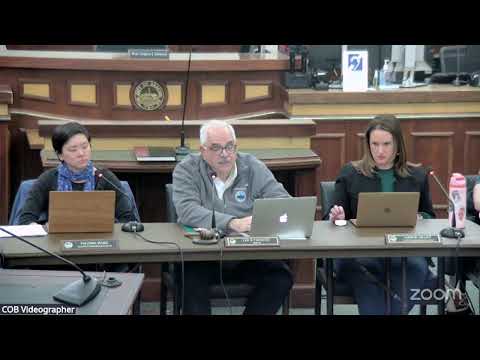
Homeowners object to proposed historic overlay; council continues hearing to May 18
Summary
Owners of several nominated properties told the council the landmark overlay raises financial, procedural and clarity concerns; the council voted to adjourn the public hearing to May 18 to allow more outreach and fact-sheet materials.
The first of two public hearings Monday centered on a proposed historic-district and landmark overlay that would add 17 properties to Beacon’s historic inventory. City Attorney Nick (speaker 24) described the ordinance criteria and the process for objections, and noted the city had received written objections for three specific addresses.
Multiple homeowners testified that the notice period and a 60-day decision timeline were insufficient to evaluate potential costs and legal implications. Kimberly Garcia (speaker 26), owner of 159 Fishkill Avenue, asked for an adjournment, citing unclear enforcement, uncertain benefits, and high anticipated compliance costs; she asked whether a financial-impact study had been performed. Other homeowners and civic groups expressed similar worries: concerns included whether existing features are grandfathered, whether subjective standards (terms like “appropriate” or “unobtrusive”) would be applied, and whether elders or nonprofit organizations could shoulder potential renovation expenses.
City staff and the city attorney answered procedural questions: ordinary maintenance is not regulated and alterations visible from a public right-of-way may require a certificate of appropriateness; the planning board administers certificates and inventory forms identify which features are protected. After public testimony, the council moved, seconded and voted to continue the hearing to May 18, with staff and the mayor committing to meet homeowners individually, prepare clearer written materials and consider a workshop to address recurring questions.
The continuation preserves the council’s options — to approve, deny, or pick and choose among properties — while giving residents more time to digest inventory forms and discuss potential impacts with staff.