Get Full Government Meeting Transcripts, Videos, & Alerts Forever!
Get email alerts on the Surveillance Cameras topic
No spam. Unsubscribe anytime.
East Lyme residents press board for policy, transparency on Flock Safety cameras
Summary
Dozens of residents urged the East Lyme Board of Selectmen to halt use of Flock Safety license‑plate cameras until the town adopts clear data‑retention, access and audit rules; First Selectman said he will trace the budget and bring the issue back for public discussion.
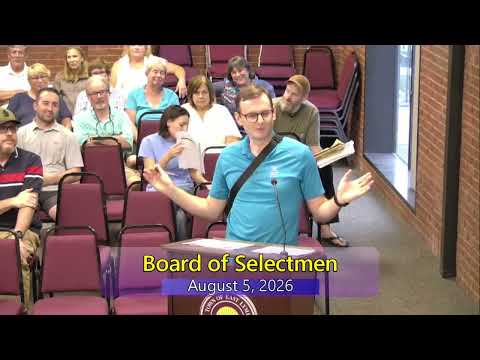
At the Aug. 5 East Lyme Board of Selectmen meeting, a stream of residents urged the board to halt deployment of Flock Safety license‑plate readers and other surveillance technology until the town adopts explicit privacy and oversight rules. Speakers raised questions about data retention, who may access the data, and whether searches are logged and audited.
"I would like to state that I am very much against any citizen surveillance cameras in our town until there is a policy in place clearly stating all guidelines," said Kathy Elliott, identifying herself by address. Residents supplied examples and urged greater transparency: Alex Manoring asked whether data are "automatically deleted after 30 days" and whether searches and audits will be public; Lisa McGowan urged the board to follow ACLU guidance and consider a moratorium; and Gus Schmidt said he has drafted an ordinance requiring public notice, a three‑week comment period before installation, and annual reporting.
"Because I think technology that can track the movements of thousands of law abiding citizens deserves meaningful transparency and accountability," Manoring said, listing specific audit and access questions for the town to answer publicly.
First Selectman Daniel R. Cunningham said the board heard a clear public mandate to investigate and will follow up. Cunningham said budget line items and purchase orders are under review to determine when and how the cameras were added to town accounts, and he pledged to bring the matter back for a fuller public discussion of policy, legal constraints and safeguards. "I'm gonna get to the bottom of it," he said, describing plans to share his findings with fellow selectmen and hold further public deliberations.
The board did not take action at the meeting; members signaled interest in a separate agenda item to explore procurement history, legal limits including Fourth Amendment considerations, and possible local policy controls.