Get Full Government Meeting Transcripts, Videos, & Alerts Forever!
Get email alerts on the By Right Processing topic
No spam. Unsubscribe anytime.
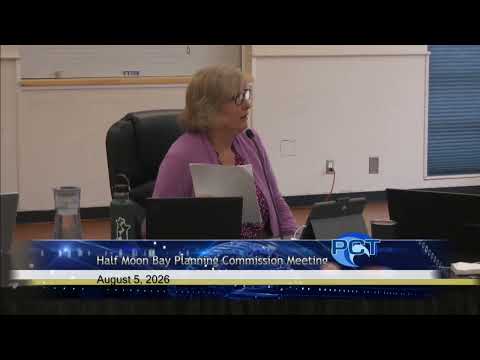
Commissioners and residents spar over by-right ministerial approvals required by state law
Summary
Commissioners and the public debated the implications of by-right (ministerial) approval for qualifying affordable projects: staff said state law requires by-right processing for sites meeting RHNA capacity and 20% affordability; critics warned by-right review would reduce public hearings and oversight.
A central point of contention at the Aug. 5 special meeting was the ministerial "by-right" approval pathway required by state law for sites that provide lower-income RHNA capacity and include at least 20% affordable units.
Consultant Asher Cohn summarized the rule: by-right review "may include design review, but the ultimate approval of such a project must remain ministerial" and cannot require discretionary permits or public hearings when statutory conditions are met. City Attorney Mary cited Government Code section 65583.2(h)(1) as the statutory basis.
Several commissioners and public commenters raised concerns about reduced public input and staff-level decision-making for projects that qualify for ministerial review. Commissioner Rems said he was "not okay" with the prospect of projects moving forward without the planning commission or council public hearings; public commenters worried that ministerial approval could allow large developments with minimal local oversight. Supporters argued that by-right pathways were a statutory requirement intended to expedite much-needed affordable housing and that robust objective design standards can limit risky outcomes.
Why it matters: The by-right rule changes which projects receive discretionary public hearings and shifts certain decisions to ministerial staff review when objective standards are met. The commission's motion asked that the city's code explicitly reference the statutory definition of by-right processing to make the legal linkage clear in the ordinance text.