Get Full Government Meeting Transcripts, Videos, & Alerts Forever!
Get email alerts on the Housing topic
No spam. Unsubscribe anytime.
Seneca Falls housing committee member Nathan Moly urges revival of downtown upper‑floor housing
Summary
Housing committee member Nathan Moly urged Seneca Falls to convert vacant upper‑floor storefront space into housing, proposing a vacancy database, incentives for investors and clearer approval processes to attract development while preserving historic character.
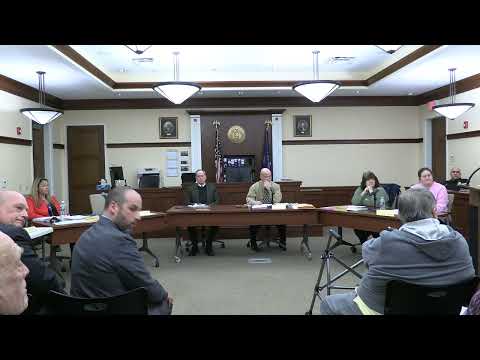
Nathan Moly, a member of the Seneca Falls housing committee, told the meeting the town should treat itself "like a business" to attract investors and convert vacant upper‑floor space into new housing. "We have thousands of square feet on the 2nd and 3rd floor of some of these buildings completely vacant," Moly said, arguing that filling that inventory would help revitalize downtown and support both rental and for‑sale markets.
Moly said the committee examined local assets—“a small college…wineries…a great public library” and proximity to Cuba Lake—that could make Seneca Falls attractive to young professionals and retirees if barriers to conversion were removed. He proposed creating a publicly available database cataloguing available spaces and square footage so potential investors can identify viable projects quickly, and he recommended incentives to pair new housing with existing small businesses.
The committee member cautioned that conversions must be financially viable and legally feasible; he urged the town to identify whether restrictive codes, historic‑district rules or economics are the main obstacles. "Is there a roadblock somewhere? Do the numbers not work?" Moly asked. He pointed to the example of Bay Heights Circle in Geneva—where investors built modest ranch homes decades ago and later saw demand—as a case study in how incentives and location shape long‑term outcomes. Moly characterized that project as having "probably 70" homes originally built with lower‑end materials and later becoming desirable.
The transcript does not specify any formal motion or vote on the committee's recommendations or a next procedural step. The committee's proposals described in the meeting include creating a vacancy database, offering incentives for downtown housing conversions, and clarifying regulatory pathways for investors.