Get Full Government Meeting Transcripts, Videos, & Alerts Forever!
Get email alerts on the Homelessness Policy topic
No spam. Unsubscribe anytime.
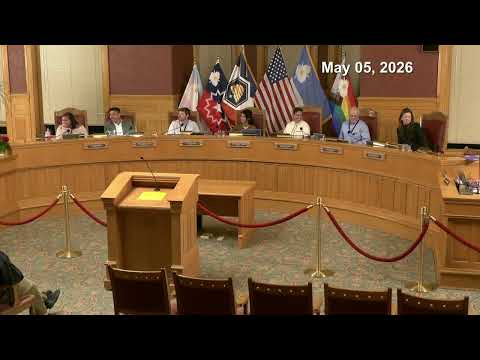
Hundreds of public commenters split over camping ordinance; council closes hearing and defers action
Summary
A proposed update to the city's camping ordinance drew roughly 78 registered speakers and hours of testimony. Supporters said clearer definitions and enforcement tools are needed to protect public safety and access; opponents said the amendments criminalize homelessness and urged investments in shelter and services. Council members closed the hearing and deferred action to allow further work and partner commitments.
Council staff introduced proposed text amendments to Salt Lake City's camping and park obstruction code that would expand the definition of camping to include sleeping in vehicles and sleeping on sidewalks and would clarify prohibited locations.
More than 70 people registered for the item and the public record included long, often emotional testimony. Supporters of the rewrite said the changes would give law enforcement and code compliance clear authority to remove hazardous or obstructive encampments. John Gardner (speaker 34), a local property owner, said the current definition is ineffective and urged adoption so police can remove illegal campers and vehicles he described as creating safety problems.
Opponents argued the changes effectively criminalize homelessness and disproportionately harm people with no alternative shelter. Ren Williamson (speaker 30) said, "I urge you to vote no on this bill. It is inhumane." Speakers representing service providers and lived-experience advocates warned enforcement without shelter alternatives would deepen harms, citing long shelter waitlists and the risk of losing people's belongings or vehicles.
Several community organizations including Nomad Alliance described the ordinance's potential to shut down low-cost, volunteer-run approaches such as the "blue bus," which provides showers and emergency shelter services. Ksenia Conaseva (speaker 67) described operating volunteer services and said the ordinance would undercut lifesaving efforts.
Council members debated the legal and ethical balance of public safety, rights of residents, and protections for people experiencing homelessness. Multiple council members said they were not ready to adopt changes without reliable partner services and safeguards. The council voted to close the public hearing and defer action to a future meeting to allow staff and partners to address outstanding concerns.
What happens next: council staff and members said they will seek partner commitments, explore alternatives and return with revised language or implementation safeguards before voting on the ordinance.