Get Full Government Meeting Transcripts, Videos, & Alerts Forever!
Get email alerts on the Local Law Emergency Declarations topic
No spam. Unsubscribe anytime.
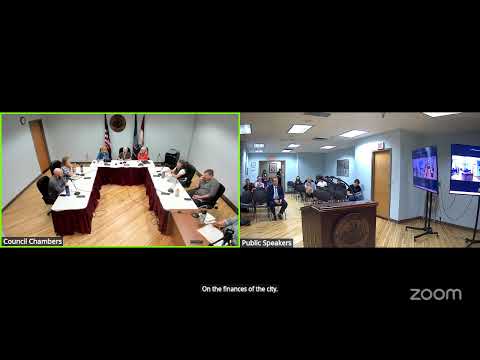
Troy public hearing draws residents urging passage of Local Law No. 4 to curb emergency declarations
Summary
At a public hearing on Local Law No. 4, multiple Troy residents urged the council to limit the mayor’s emergency-declaration authority, citing recent emergency orders and concerns about a paid data broker and Flock camera use.
At a public hearing on Local Law No. 4, residents urged the Troy City Council to pass a proposed charter amendment that would align the city’s emergency-declaration rules with New York State’s Executive Law Article 2-B and limit what speakers described as executive overreach.
"I'm here again to express my full support for local law number 4," said Frankie, a Troy resident, adding the city should focus on "real life emergencies" such as homelessness and food insecurity. Frankie cited a state comptroller's report, saying it showed a "stunning ... increase in homelessness in the city of Troy and Rensselaer County combined," and urged the council to "seal the deal on this law" to prevent perceived misuse of emergency authority.
Callisto, another resident, said emergency powers are appropriate for natural disasters but argued the mayor has "repeatedly shown that she cannot be entrusted with the responsibility of stewarding boundary-pushing executive power," alleging multiple emergency declarations in recent years and citing the Flock camera contract as an example of executive overreach. "She has declared, I believe, 8 state of emergencies in the past 2.5 years," Callisto said.
Brianna Harrington (District 4) and other residents similarly said the Flock camera program did not warrant emergency authority and raised concerns about the vendor’s reputation. "Flock ... does not deserve any sort of state of emergency or any sort of ... payment without permission," Harrington said.
Speakers framed their comments as both a defense of civil oversight and a call to prioritize issues such as housing and food insecurity. The council took no vote on the law at the hearing; the public hearing was adjourned, and the regular meeting continued later that evening.
What happens next: the council must consider the amendment’s next procedural steps (public comment concluded for the hearing session), and proponents said they will press the council to pass the law and, if necessary, override a mayoral veto.