Get Full Government Meeting Transcripts, Videos, & Alerts Forever!
Get email alerts on the Policing And Public Safety topic
No spam. Unsubscribe anytime.
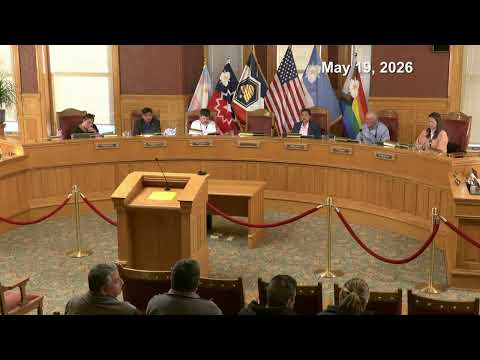
Residents urge the council to reconsider police spending and surveillance in FY27 budget public hearing
Summary
During a consolidated FY27 budget hearing, many public commenters opposed increases to the police budget and proposed alternatives — transit, street safety, sanctioned camping and services — while warning about privacy risks from proposed citywide cameras and drones.
Several dozen residents spoke during the consolidated FY27 budget public hearing and urged the council to rethink proposed investments in police staffing and surveillance technologies.
Jacob Johnson and Chris Butler voiced specific concerns about a proposed citywide camera system and drones in the mayor's recommended budget. Johnson said a camera program has "high potential for misuse and low benefit" and recommended investing in transit and pedestrian safety instead. Butler argued that escalating police spending has not produced proportional public-safety gains and warned of privacy risks if police drone or camera footage captures private property.
Speakers representing homelessness advocacy organizations — including Amber Pond and Ksenia Konseva of Nomad Alliance — asked the council to fund alternatives to enforcement such as sanctioned campgrounds, safe parking sites and supportive services. Pond described her lived experience of homelessness and argued that policing did not help her exit homelessness, saying outreach and community support did.
Other commenters also criticized the allocation of new police resources tied to development in the Inland Port Authority area and called for investments that reduce recurring arrests of chronically unsheltered people. Several speakers offered cost comparisons (for example, shelter or safe-parking nightly costs versus jail costs) and urged the council to pursue prevention and housing-first interventions rather than expanding enforcement.
The council closed the consolidated budget hearing and scheduled an additional public hearing for June 2, 2026; no budget decisions were made at this meeting.