Get Full Government Meeting Transcripts, Videos, & Alerts Forever!
Get email alerts on the Code Enforcement topic
No spam. Unsubscribe anytime.
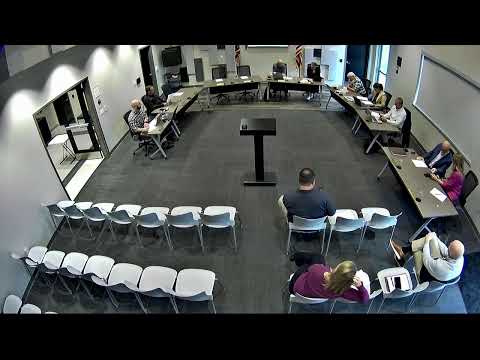
Council hears proposed property-maintenance code; staff outlines compliance steps and timelines
Summary
A proposed property-maintenance code would move related rules into the building chapter, define common violations (tall grass, junk vehicles, peeling paint), set inspection and notice procedures, and create correction windows (about 5–7 days for grass, 30–45 days for structural issues).
Planning and code staffer Mister Hutchison told council that "Property maintenance is not zoning. It doesn't need to be there." He explained the draft moves property-maintenance provisions into the building code chapter and removes them from planning & zoning sections so enforcement follows the building/code process.
Hutchison listed common violations the new code targets—tall grass, parking on grass, inoperable or junk vehicles, outdoor storage, peeling or chipping paint and structural damage—and said the code is aimed at the worst cases rather than aesthetics. He described the compliance pathway: a complaint or a routine field identification, an inspection with documentation entered into the tracking system, issuance of a violation notice that names code sections and a due date, and an appeal to the EZA (about a 15-day appeal window).
Council and staff discussed correction timeframes and flexibility. Hutchison said routine items such as trash or lawn issues would typically be given about five to seven days for correction, while structural repairs would start at 30–45 days; he also described using compliance agreements and extensions when justified. He stressed that severe financial penalties are reserved for persistent offenders and that abatements that are not paid can be assessed as a lien on the property.