Get Full Government Meeting Transcripts, Videos, & Alerts Forever!
Get email alerts on the Zoning Density topic
No spam. Unsubscribe anytime.
Residents urge village to restore density limits as board leaves zoning hearing open
Summary
Dozens of residents told the Village Board that removing a numeric density standard from proposed zoning changes would invite large apartment projects and higher taxes; the board declined to close the public hearing after a motion failed, saying revisions and more public input are needed.
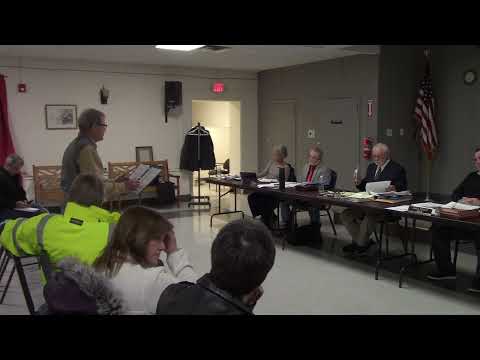
Mayor Tinaprio opened the public hearing on proposed amendments to the village zoning law and invited public testimony. Residents, including a long-time Association of Graduates member who spoke for more than 30 minutes, urged the board to keep a numerical density standard in the code as a "big-picture guardrail" to prevent projects requiring large variances.
The principal speaker recounted past development proposals and variances requested by a developer (identified in the meeting record as ESR Development/Minicozzi), citing county property records and purchase prices. He argued the board had previously allowed excessive variances — for example, requests to reduce required land per dwelling to as little as 600 square feet or to raise building heights to 70 feet — and said the village should retain a density figure to constrain such requests.
Other residents echoed fiscal concerns. Michael Joyce said, "If we don't do something to relieve the tax burden on the people that own residences here, what you are gonna wind up with is houses that are owned by people that don't live in the village" and warned of rising school taxes. Patrick Flynn cautioned that developers who obtain IDA tax incentives can end up not paying property taxes for years, shifting local costs to residents.
Trustees and the village attorney discussed procedure and next steps. The attorney advised that a SEQRA environmental determination (a "negative declaration" in this case) is distinct from adopting the local law and that significant modifications to the draft would require restarting parts of the process. A motion to close the public hearing failed for lack of a second, and the board decided to leave the hearing open to collect additional written comments and allow time for potential revisions.
The board emphasized that leaving the hearing open does not mean the board will not eventually act; rather, several trustees said they want more time to review public feedback and, if necessary, rework the local law to avoid procedural vulnerability to legal challenge.