Get Full Government Meeting Transcripts, Videos, & Alerts Forever!
Get email alerts on the Public Comment topic
No spam. Unsubscribe anytime.
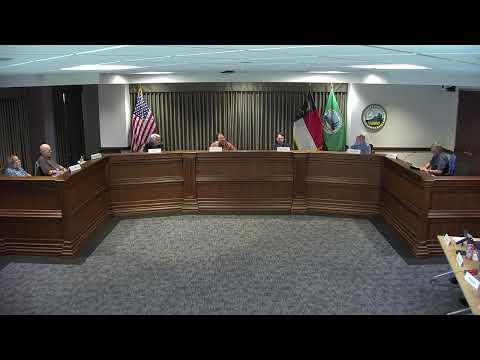
Neighbors press board on wells, grading and traffic during Bluemont hearing
Summary
Several residents told the board they rely on private wells and fear grading, retaining walls and increased traffic from a 168‑unit affordable housing project could harm water supplies and local roads; the board heard the concerns but proceeded to decide the permit question.
During the Bluemont special use hearing, multiple neighbors described longstanding ties to their land and voiced specific technical concerns about groundwater, grading and traffic mitigation.
Robert Keith McCurry, who sought standing in the case, said a prior engineering study omitted nearby Ray Hollow Road and that his property contains multiple wells within the proximity of the proposed first phase. "I want these easements in place signed and registered at the register of deeds office prior to any special use permit being allowed," he said when explaining why he sought party status, and later asked for time to obtain an expert well analysis.
Pam McCurry testified about multigenerational attachment to the property and framed the risks in personal terms: "We can't sell property without water," she said, stressing that private wells are central to family livelihoods. Other witnesses, including Jeffrey Witt and residents from Kentwood Acres, emphasized potential noise, light and traffic changes along Marsh Hill Highway and the need to evaluate emergency‑response impacts raised in an annexation staff report from Weaverville.
Applicant witnesses disputed or contextualized those fears. Civil engineer Cody Tutti said the project will use Weaverville municipal water and MSD sewer and described an on‑site stormwater control system intended to detain and filter runoff so it will not affect neighboring bedrock aquifer wells. Traffic expert Bridal Stevenson said the study used conservative trip rates and that DOT‑approved intersection improvements, such as a left‑turn lane, could mitigate the primary traffic impact.
The board allowed several witness statements into the record, discussed possibilities for connecting nearby homes to municipal water if impacts were proven, and ultimately made a procedural decision to proceed to a vote rather than continue the hearing for additional third‑party studies.