Get Full Government Meeting Transcripts, Videos, & Alerts Forever!
Get email alerts on the Court Procedure topic
No spam. Unsubscribe anytime.
Virtual arraignment: judge outlines rights, counsel appointment process and breakout-room conferences
Summary
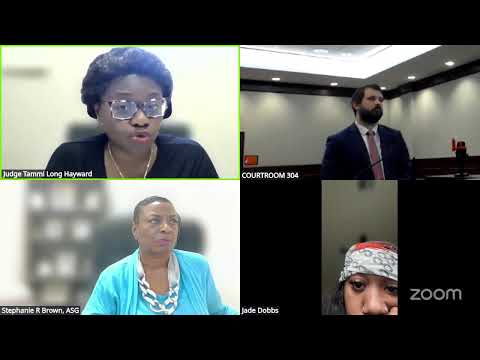
Judge Tammy Long Hayward opened the virtual arraignment calendar, explained defendants' rights and plea options, and detailed how the court will appoint counsel and use breakout rooms for private conferences between defendants and attorneys or the state.
Judge Tammy Long Hayward opened the August 6 virtual criminal arraignment by reviewing fundamental rights—entitlement to counsel, plea options (guilty, not guilty, nolo contendere), and the privilege against self-incrimination—and explained how the court would handle appointed counsel and private conferences.
"If you cannot afford an attorney, I can appoint an attorney to you," the judge told participants, directing those who needed counsel to indicate so when their names were called. The judge then walked through the virtual process: confirming on-screen names, assigning breakout-room numbers for attorney-client or prosecution conferences, and advising defendants to mute their devices between calls.
The court repeatedly emphasized administrative details: providing contact information in the chat so clerks can email sentence sheets, the clerk's role in Odyssey filings and case numbers, and how the Department of Driver Services may act independently on licensing consequences for traffic pleas. Multiple defendants were appointed counsel from the law firm "Lister Holt and Dennis" and placed into breakout rooms for conference negotiations.