Get Full Government Meeting Transcripts, Videos, & Alerts Forever!
Get email alerts on the Budget Reserve topic
No spam. Unsubscribe anytime.
Public commenters push Marquette County to spend reserves on services and criticize recent appointments
Summary
Residents urged Marquette County to allocate its $5,000,000 reserve to community services—homelessness, transit, harm reduction—and several speakers criticized the board's appointment practices and meeting conduct, calling for better vetting of appointees' social media and consistent public-comment rules.
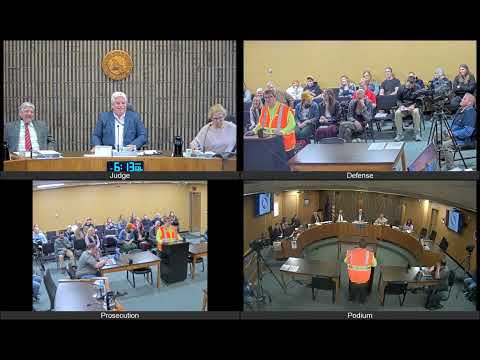
Multiple residents used the public-comment periods to press the Marquette County Board of Commissioners to prioritize community services over facility renovations and to complain about appointment and conduct practices.
Donovan Young of the People Action Fund told the board: "I encourage you to move further to actually pass a resolution stating that the county will not participate in 287(g) agreements with the ICE agency." Young also urged the board to consider steering more of the county's approximately $5,000,000 in reserve funding to organizations that provide public services. Tech worker Zeke McClure argued that "very little of the $5,000,000 is dedicated to community support services," urging greater investment in transit, food security and employment supports.
Several speakers, including John Gamera and Jonathan Young, criticized what they described as inconsistent enforcement of time limits, casual or belittling treatment of some speakers, and appointment practices that do not examine candidates' public social-media records. Jonathan Young specifically said the recently appointed commissioner had posted "vitriolic vile" material about trans people and immigrants and urged the board to reconsider how it vets appointees.
Board response: Chair Joseph Derosha acknowledged criticism but said commissioners must operate within budgetary constraints and statutory responsibilities, and he defended occasional choices such as inviting audience members to lead the pledge. Commissioners agreed to consider whether appointment vetting policies should be updated to address social-media concerns.
Why it matters: Public pressure highlights a persistent local debate over whether reserve funding should prioritize community-facing services or county facilities, and it signals citizen demand for clearer, consistent rules governing meetings and appointments.
Provenance: Public-comment segments across the meeting (multiple speakers) and the later commissioner-comment exchange closing the meeting.