Get Full Government Meeting Transcripts, Videos, & Alerts Forever!
Get email alerts on the Governance And Records Access topic
No spam. Unsubscribe anytime.
Board member says she was denied documents after May primary; counsel cites policy and enabling legislation
Summary
Board member Debbie said she was denied access to handwritten emergency check‑in lists and other records needed to reconcile a 1,709‑vote discrepancy; counsel cited enabling legislation and a recently adopted communications policy that governs board‑director interactions.
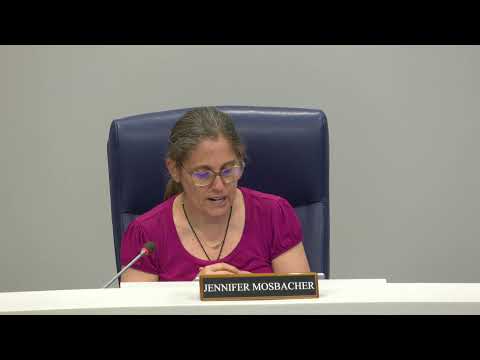
Board member Debbie raised a lengthy governance complaint during board‑member comments, saying she had requested and been denied access to documents she considered necessary to reconcile a reported 1,709‑vote difference between votes cast and voters checked in after the May primary. She said 67 precincts were listed in the reconciliation report with an "unsure" explanation and that she was denied a meeting with Director Phillips and access to handwritten emergency check‑in lists and voter certificates.
Debbie said the records were necessary for the board’s independent review and that requiring an open‑records request and denying an in‑person meeting impeded oversight. "The documents that I received and the rest of the board had a 1,709 voter difference between votes cast and the voters that checked in," she said, and added that she was denied the documents and the meeting she requested.
Board counsel Daniel White and other board members responded that the board acts collectively and that communications between individual board members and the director are governed by enabling legislation and an adopted communications policy; White pointed to OCGA provisions and the board's recently adopted policy. White said he had provided a memo and that the policy outlines what members can access without violating the governance rules.
Why it matters: The dispute touches core oversight functions: what materials board members may review, how the director and board coordinate, and how discrepancies in reconciliation reports are investigated.
Next steps: Counsel and staff said the policy and memos exist in writing and staff will rely on established procedures; the matter continued in board-member comments and the board later moved into executive session for personnel matters.