Get Full Government Meeting Transcripts, Videos, & Alerts Forever!
Get email alerts on the Special Education Programs topic
No spam. Unsubscribe anytime.
Parents, staff describe effort to keep high-needs students in Lorain County schools
Summary
Parents and district staff said a new in-district program aims to reduce long transports and keep students with high needs in their community by using individualized workstations tied to IEP goals and life-skills instruction.
Parents and school staff at a recent meeting described a new effort to keep high-needs students in Lorain County schools and reduce the need to place children in programs elsewhere. A parent who identified herself as the mother of 7-year-old identical twins with autism said the service was ‘‘desperately needed in our community’’ and praised the program for restoring local options.
Staff members framed the change as a response to both family needs and operational limits. One staff member said families "didn't really feel like they had a place in the community to be at home," and added that long transportation times were causing dysregulated behaviors. The staff presentation emphasized that the district aimed to "bring our babies back home," an explicit justification for the in-district approach.
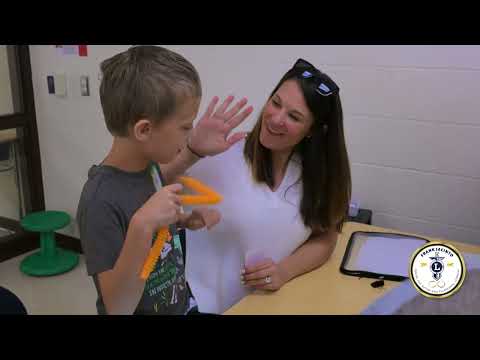
Program designers described classroom and curriculum changes meant to support independence. "So you'll notice in every classroom, we will have independent workstations. At these independent workstations, they're all individualized and scaffolded based on students' IEP goals, and then they are working with teachers at the teacher space," a staff member said. Presenters emphasized life-skills practice and social-skills instruction as central goals so families can feel confident taking students into the community.
Meeting remarks did not include details on funding, timelines, or formal board actions; presenters described program design and family impact rather than requesting or recording a specific decision at that session.