Get Full Government Meeting Transcripts, Videos, & Alerts Forever!
Get email alerts on the Accessibility Interpreters topic
No spam. Unsubscribe anytime.
Deaf residents urge Montgomery County to expand qualified interpreter services; pastor, commissioner back the request
Summary
Public commenters told the Montgomery County Board of Commissioners that American Sign Language users need qualified in-person interpreters for emergencies and complex interactions, not just captioning or video remote services; Commissioner Sheldon asked the board to consider providing interpreters at every meeting.
Public commenters at the Montgomery County Board of Commissioners meeting on Aug. 10 urged the county to expand access to qualified sign-language interpreters for deaf residents and to formalize systems that do not rely on ad-hoc or family-provided help. Artie Grassman, who spoke during public comment, said the county must be ready to provide effective communication in emergencies and other high-stress situations.
"Effective communication requires a qualified interpreter when 1 is needed," Grassman said, arguing that captioning and relatives are not adequate substitutes. Grassman gave an estimate — noting Tennessee's roughly 7.2 million residents and an estimated 51,000 ASL users statewide — and said the county should plan for hundreds to more than a thousand local ASL users rather than depend on a single advocate or volunteer.
Bryce Bruin, interim pastor of New Life Deaf Church, told commissioners that many deaf people face language deprivation and that video remote interpreting (VRI) and captioning often fail in medical or emergency settings. "We all have the right to use our native language," Bruin said, urging provisions for in-person interpreters when needed.
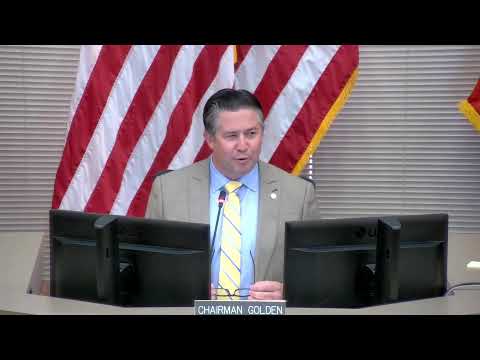
Commissioner Sheldon later thanked the meeting's sign-language interpreter and asked the commission to consider making interpretation available at every commission meeting, saying the demonstration illustrated how the service works in practice. The comments referenced federal accessibility obligations but no formal county action or policy change was proposed or voted on at the session.
Why this matters: Commenters framed the issue as both a legal-access obligation and a public-safety concern for emergencies where miscommunication can harm people. The proposals raised questions for county staff about how to budget, schedule and train for expanded interpreting services and when to use VRI versus on-site interpreters.
Next steps: The board did not take formal action on a policy or budget amendment during the meeting; commissioners heard the public comments and a commissioner requested that sign-language interpretation be considered for routine use at meetings.