Get Full Government Meeting Transcripts, Videos, & Alerts Forever!
Get email alerts on the Fire Service Transition topic
No spam. Unsubscribe anytime.
Residents, volunteers and council clash over volunteer fire stations, possible closures and costs
Summary
Dozens of public commenters and several council members debated the implications of replacing volunteer coverage with paid crews, warning of higher taxes, legal exposure and loss of civic institutions while officials said paid coverage was needed to maintain 24/7 protection.
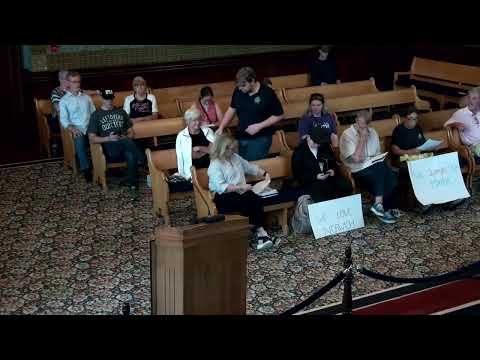
Public comment on Aug. 3 focused heavily on the ongoing dispute over the volunteer fire departments and the city's temporary reliance on paid crews. Multiple speakers said closures of volunteer stations and the need for paid overtime drove the proposed year‑end budget transfers.
John Bridal, a 42‑year volunteer, said the issue reflected a leadership failure and warned, "I think this is simply just gonna cost the taxpayers millions and millions of dollars for days to come." Brandon Sabag said public safety has eclipsed affordability as the city’s top issue and predicted "this will be a multimillion dollar per year increase to the taxpayer" if paid coverage continues. Other commenters urged reopening specific volunteer stations (Yantic, Tafill) and questioned whether the city followed voters' prior direction on automatic-aid policies.
Defenders of the council said the situation is more complex. President Pro Tem Joe Delucia told the council the city had to ensure coverage for districts left without volunteer crews and that litigation and legal defense costs are unavoidable while the city is in court. "The city has to defend itself, and it has and and we're at the point...That takes lawyers, and lawyers cost money," Delucia said.
Speakers also raised procedural and contractual concerns: one commenter said the proposed agreement would bar volunteers from informal interaction with paid staff at stations, and several speakers cited charter language they said limits the use of general funds for special-district benefits. The dispute remains unresolved; council approved the year‑end transfer and indicated finance staff and auditors would process the accounting steps while litigation continues.