Get Full Government Meeting Transcripts, Videos, & Alerts Forever!
Get email alerts on the Animals Poultry topic
No spam. Unsubscribe anytime.
Board weighs banning roosters and setting property-size rules for farm animals
Summary
At an Aug. 5 New Lebanon Board of Zoning work session, members debated whether to prohibit roosters inside the incorporated village and whether to tie allowances for horses, pigs and other livestock to parcel size; staff was asked to research model code language and grandfathering rules.
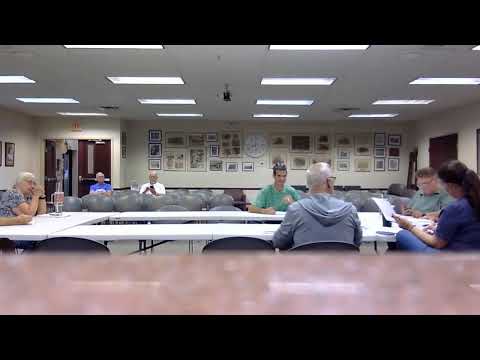
New Lebanon’s Board of Zoning spent much of its Aug. 5 field work session debating whether roosters and other farm animals should be allowed inside the village and how to write clear code language to resolve conflicts with private covenants.
Gary, the zoning staff member, told the board that complaints about crowing and other nuisances already come in and said the town’s current code doesn’t clearly cover roosters. "Currently, it is a nuisance to a barking dog, crowing rooster," Gary said, describing how neighbors report different expectations and how some housing covenants already prohibit roosters.
Members described two competing concerns: residents who keep hens often rely on a rooster for incubating eggs and those who find crowing disruptive. One board member said retail sales of chicks in packs can leave buyers with an accidental rooster, which creates enforcement headaches. Another member reported rough complaint volumes in the low dozens annually.
The board moved toward prohibiting roosters inside the incorporated village but stopped short of drafting final language. Members asked staff to research model ordinances and covenant interplay, return recommended code text, and explicitly address whether animals already on properties would be grandfathered. The board also discussed using parcel-size thresholds for larger livestock, suggesting a different standard for acreage properties versus small residential lots.
The board did not adopt an ordinance during the meeting; members asked staff for draft language and legal review before any formal vote.