Get Full Government Meeting Transcripts, Videos, & Alerts Forever!
Get email alerts on the Case Examples topic
No spam. Unsubscribe anytime.
Prosecutors cite examples: billing while incarcerated, fabricated clock‑ins and agency schemes
Summary
U.S. Attorney and state prosecutors described individual cases that illustrate alleged fraud methods: defendants alleged to bill while in jail, alleged kickback schemes, agencies that billed for dead aides, and a case tied to a DEA investigation that continued billing after related arrests.
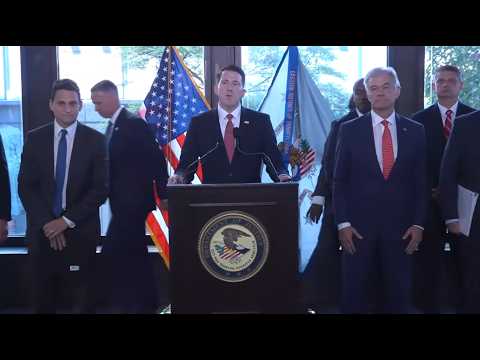
Prosecutors at the press conference cited multiple case examples to illustrate the methods they say were used to exploit home‑health Medicaid programs.
David Metcalfe described an alleged scheme involving Sean Murray, who he said has a separate federal narcotics indictment and who prosecutors allege billed Medicaid while traveling and conducting drug activity. Metcalfe said a recorded jail call from August 2024 included Murray boasting that "home health care is the best kept secret."
Prosecutors also described allegations against the founders of Benevolent Home Health, Khalil Williams and Salima Davis, saying some charges emerged from a DEA drug‑trafficking probe of an associate. Metcalfe said billing continued for a beneficiary who was incarcerated. He also described another case in which a caregiver submitted reimbursements recording more than 24 hours in a single day on more than 1,000 occasions; prosecutors allege those entries led to more than $1,200,000 in payments.
The U.S. Attorney's office said investigators used social media posts and surveillance photos to reconcile billing records with physical movements and that some alleged schemes involved paying kickbacks to beneficiaries. Officials stressed these are allegations that must be proven in court.