Get Full Government Meeting Transcripts, Videos, & Alerts Forever!
Get email alerts on the Surveillance topic
No spam. Unsubscribe anytime.
Board declines to cancel Flock LPR contract after extended public debate; directs fuller review before renewal
Summary
After hours of public comment on privacy, contract terms and public-safety benefits, the Amador County Board of Supervisors rejected a motion to cancel the county's Flock automated license-plate reader contract and voted to agendize a renewal-review with updated safeguards ahead of the February 2027 renewal.
Amador County's debate over automated license-plate readers (LPRs) centered on competing views of public safety and privacy on Aug. 11.
Supervisor Carnell opened the item by citing constituent concerns and asked the sheriff to explain the system. The sheriff said the county uses an economy version of Flock that captures rear license-plate images only, stores vendor-hosted data for 30 days unless downloaded as evidence, and has helped detectives recover stolen property and solve violent crimes. "We stored it for 30 days, and after 30 days it's deleted out of the system," the sheriff said. He added the department does not use facial recognition or live-streaming in the current deployment and that access is audited by his command staff.
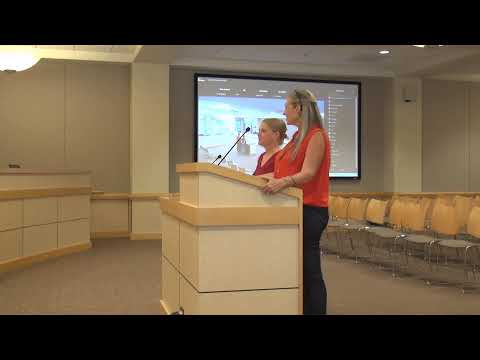
Residents and national experts who spoke at length questioned data ownership, vendor liability and whether outside agencies have accessed records without local permission. Bethany Darnell, a District 5 resident, cited audits in other cities and urged the board to consider vendor liability limits and documented misuse elsewhere. "Mountain View had nationwide access turned on without the city's knowledge," she said, noting audits that found unauthorized searches outside California.
During public comment, supporters described cases in which LPRs helped recover stolen equipment and locate missing people; a victims' advocate said the technology can be lifesaving. "If we had this opportunity, we wouldn't have had to volunteer for 20 years," said Carol D., a longtime victims' advocate, speaking in support.
A motion by a board member to cancel the Flock contract failed on a 2-3 vote. The board then voted 5-0 to direct staff and the sheriff's office to bring an expanded review and proposed safeguards to a regular agenda in January (time-certain) with the goal of informing the February 2027 renewal. The board asked for metrics to be included in the review: number of alerts, false positives, arrests tied to LPR searches and cost per outcome. The board also requested staff provide the contract documents and proposed policy changes well before the renewal.
The actions recorded at the meeting leave the contract in place while formal review and additional public discussion are scheduled.