Get Full Government Meeting Transcripts, Videos, & Alerts Forever!
Get email alerts on the Data Centers Moratorium topic
No spam. Unsubscribe anytime.
Spokane County residents press commissioners for one-year moratorium on proposed West Plains data center
Summary
Dozens of residents urged Spokane County commissioners to pause approvals for a proposed hyperscale data center on the West Plains, citing water use, wildfire recovery, noise and lack of transparency; commissioners said they would consider a pause and one commissioner answered public concerns.
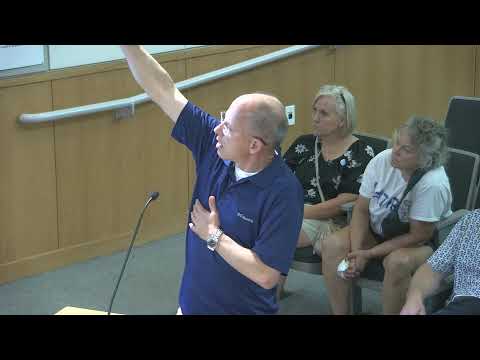
Dozens of Spokane County residents gathered at the Board of Commissioners' Aug. 11 agenda meeting to urge a one-year moratorium on proposed hyperscale data centers on the West Plains, saying the projects would strain water supplies, increase energy demand and proceed without adequate public disclosure. Speakers cited recent wildfires, aquifer vulnerability and potential cost shifts to local ratepayers.
"The unique West Plains aquifer system remains unprotected," said Julia McHugh, a Palisades neighborhood resident, blaming the board for the defeat of a recent aquifer protection ballot measure and asking for a clear "plan B." Several speakers urged disclosure of communications and criticized nondisclosure agreements; JB Freeman asked commissioners to disclose "every communication — text, email, phone, private meetings, and any minutes thereof." Margaret O'Connell, a West Plains resident with a background in the environmental field, told the board that "the combined wastewater treated from those two communities is about 20% of what the potential needs of that data center would be." (Speakers' phrasing and numbers were delivered in public testimony and are reported as stated.)
Speakers raised common concerns: heavy water and energy use, noise and generator air emissions, competition for labor and materials that could delay housing rebuilds after wildfires, and a perception that the approval process has been secretive. "We want no approval before full transparency," said Hank Beinecker, calling for independent review and enforceable protections. Younger speakers described climate anxiety; Liam Argan, a student at Gonzaga University, warned that the proposed Medical Lake project could require "500 megawatts of power," a figure he said would represent a very large share of regional capacity.
The board did not take formal action on a moratorium at the meeting. After the public forum, Commissioner Al French used a point of personal privilege to respond to concerns and to describe the economic-development and hydrogen-fuel context around earlier conversations with developers. Another commissioner thanked speakers and said the board would "move to consideration of a pause on these facilities" in the coming days. No ordinance, moratorium or interim zoning was voted on during the meeting.
The speakers' comments and the commissioners' responses make clear that the debate centers on trade-offs among local water resources, energy demand, economic development tools and public transparency. Residents repeatedly asked for specific disclosures and independent evaluation before approvals proceed.
What happens next: Commissioners indicated they would continue discussions about whether to pause approvals and how to protect water and ratepayers; no formal timeline or vote on a moratorium was established at this session.