Get Full Government Meeting Transcripts, Videos, & Alerts Forever!
Get email alerts on the Supportive Housing topic
No spam. Unsubscribe anytime.
Northcentral Healthcare outlines Hope House supportive‑housing model serving Marathon and neighboring counties
Summary
Northcentral Healthcare described its Hope House program: two supportive ‘whole houses’ (men’s and women’s), peer mentorship, daily staffing, average daily census of about 6–6.5 residents, and referral and vetting criteria prioritizing county residents who have engaged in treatment.
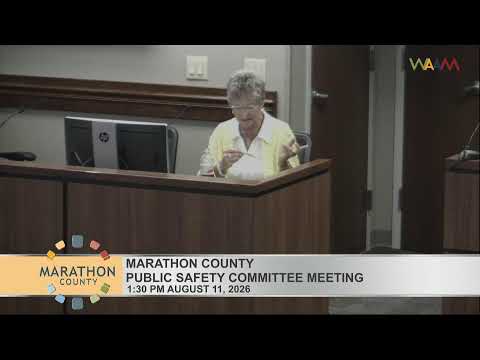
Wendy Peterson, director of acute care services at Northcentral Healthcare, presented the Hope House model to the Public Safety Committee, saying the organization “operate[s] 2 whole houses” that offer structured, peer‑supported living for people in recovery. She described three core tenants of the model — peer mentoring, structured routines and participation in active treatment — and said residents must engage in recovery programming and approximately 40 hours per week of work, school or volunteering.
Peterson gave operational details: the Wausau men’s house is an eight‑bed residence with an average daily census of about 6.5 and is located on the downtown bus line; the Anago women’s house is also eight beds with an average daily census around 5.5. Staffing includes recovery outreach coordinators and a peer recovery coach; Northcentral does not own the Wausau building but rents it from a local landlord and sublets space for the program. Peterson said Hope House serves residents of Lincoln, Langlade and Marathon counties and that referrals can be made via Northcentral’s website, phone or email.
Committee members probed success measures and capacity. Peterson said relapse occurs but she did not provide a single, program‑level success percentage, noting measurement is complex; she added that the men’s house tends to remain fuller because of its central location while the women’s house is more remote. Regarding costs, participants pay rent, Northcentral offsets some operating costs, and Marathon County offsets shortfalls for the county‑specific Hope House through the county tax levy.