Get Full Government Meeting Transcripts, Videos, & Alerts Forever!
Get email alerts on the Procedural Rules topic
No spam. Unsubscribe anytime.
Parties split over reply briefs and oral-argument timing as PURA considers schedule
Summary
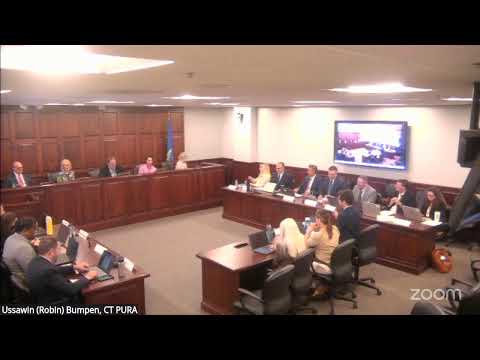
At a scheduling conference in PURA docket 260510, Eversource and several intervenors defended allowing reply briefs to respond to arguments first raised in initial briefs; OCC and EOE questioned the necessity and raised statutory and process concerns. Commissioners discussed discretionary oral arguments and the practice of issuing proposed final decisions.
A central procedural debate at the scheduling conference was whether the authority should reserve space on the timeline for reply briefs. Vincent Pace, representing the applicant, said the company "feels that in a contested case ... that a reply brief is both necessary and appropriate," citing prior storm proceedings where reply briefs allowed parties to respond to arguments surfaced in initial filings.
Intervenors representing industrial consumers and advocacy groups (for example, Jay Goodman for CIEC) also supported a reply-brief step, arguing it helps clarify positions and narrow issues for the authority. OCC and EOE lawyers cautioned that the UAPA does not require reply briefs and that the authority has discretion; some suggested oral argument or a targeted oral reply session could serve many of the same functions.
Commissioners raised related questions about when to schedule oral argument and whether the authority should continue the long-standing practice of issuing proposed final decisions (PFDs) as a way to narrow issues before final order. Parties differed: some see PFDs as a useful, practical tool to avoid litigation; others worry PFDs create public confusion when reported as final actions.
PURA will decide how to structure briefing and arguments in the procedural schedule it issues.