Get Full Government Meeting Transcripts, Videos, & Alerts Forever!
Get email alerts on the Public Safety topic
No spam. Unsubscribe anytime.
Residents urge Orem to limit ICE activity and cut surveillance contracts at public sites
Summary
Multiple residents asked the council to adopt policies barring ICE enforcement actions on city property and to end or restrict use of automated vehicle-tracking cameras, saying such measures would protect immigrants’ safety and privacy; speakers sought public reporting of any federal immigration interactions.
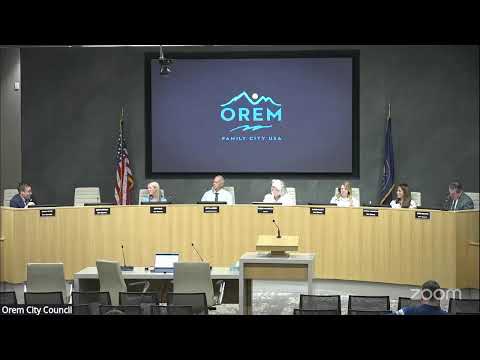
Several residents used the meeting's public‑appearance period to press the council for formal policies limiting federal immigration enforcement and automated surveillance on city property.
Theo Buckingham told the council he wanted an "executive order or formal resolution barring ICE agents and those working in cooperation with them from using city owned property for immigration enforcement activities," and named parks, libraries and public buildings as spaces that should remain off limits for enforcement operations. Later speakers urged the council to require judicial warrants before local agencies honor ICE civil detainers and requested public reporting of any interactions with federal immigration authorities.
Other commenters focused on automated license‑plate or vehicle tracking systems. A resident cited national cases where similar systems were used across jurisdictions to locate and arrest people and urged Orem to terminate any 'Flock'-type contracts and remove cameras from city infrastructure. "I hope that you guys are gonna listen to my words, and you guys will do what you can to terminate any flock contracts that the city has and be able to take these cameras down," a speaker said during public comment.
Council members acknowledged the concerns and asked staff to draft a clear protocol for the August 27 truth‑in‑taxation meeting (when many public commenters are expected) and to bring forward options for public comment procedures and any relevant policy changes. The council did not vote on a policy during the meeting but directed staff to prepare options and to clarify rules for speaker sign‑ups and virtual participation.