Get Full Government Meeting Transcripts, Videos, & Alerts Forever!
Get email alerts on the Land Return topic
No spam. Unsubscribe anytime.
Santa Clara land returned to Washoe tribe, speakers call it a restoration of justice
Summary
Speakers in the transcript described the city's transfer of long-held land to the Washoe tribe as a return of ancestral territory and an act of justice, noting the property's 1977 purchase for $1,600,000 and previous use for ranching after geothermal plans failed.
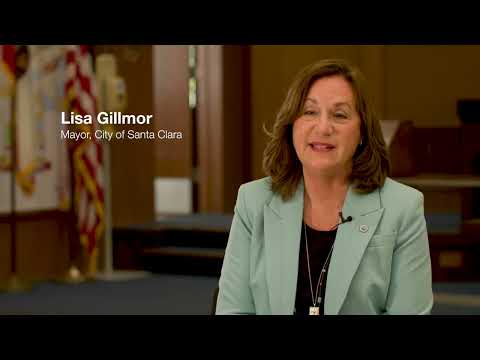
Speakers in the transcript said the City of Santa Clara transferred long-held municipal property back to the Washoe tribe, a move participants framed as restoring ancestral ties and correcting past displacement.
A resident opening the remarks said, "There's history in the ground out in these areas," and later added, "This land is, it's it's our home." Agency official (first speaking in SEG 015) provided the city's institutional history of the parcel, saying, "The city of Santa Clara purchased this land for 1,600,000" for a geothermal project in 1977 but that the plans "didn't work out" and the land was later used for ranching. Another resident described the outcome as justice, stating that the property "went to the right people" and "it could have gone to some land developers, but it went to the people that were displaced."
Speakers framed the transfer as more than a property transaction: Resident (S2) called the action a rooted reciprocal honoring between communities, saying "we have 1 rooted community honoring another." Agency official (S3) tied the original purchase to long-term sustainability planning, referencing the city's alignment with Silicon Valley Power's goals. The transcript repeatedly connected cultural stewardship and environmental health: as one speaker put it, "The health of the land is the health of the people."
The transcript does not record a formal motion, vote, or the legal instrument effectuating the transfer; participants described the transfer in moral and historic terms rather than walking through statutory authority or procedural steps.