Get Full Government Meeting Transcripts, Videos, & Alerts Forever!
Get email alerts on the Conservation topic
No spam. Unsubscribe anytime.
Lake George Land Conservancy details land-protection gains and 2026 priorities
Summary
Michael Horn, executive director of the Lake George Land Conservancy, told the Lake George Park Commission the trust has protected more than 14,000 acres since 1988, invested roughly $35 million in land protection, and closed seven projects in 2025 including the 517-acre Pilot Knott Mountain acquisition.
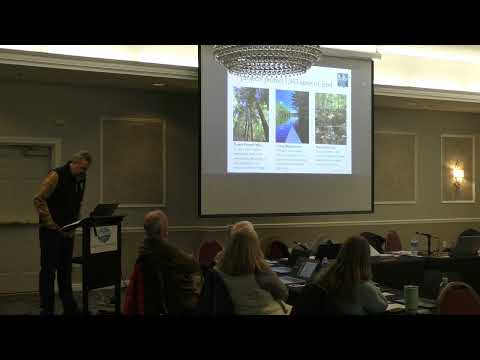
Michael Horn, executive director of the Lake George Land Conservancy, told the Lake George Park Commission on Jan. 27 that the organization’s mission is to "permanently protect the land that protects the lake." He said the conservancy has protected more than 14,000 acres since its founding in 1988 and has invested about $35,000,000 in land-protection work. Horn highlighted seven completed projects in 2025, including a marquee acquisition, the 517-acre Pilot Knott Mountain parcel that includes a 2,159-foot peak and more than 1.6 miles of streams flowing toward Catskill Bay.
Horn outlined the conservancy’s two primary tools—fee-simple acquisition and conservation easements—and emphasized stewardship needs for properties the group already holds. He said the trust now manages roughly 7,700 acres across 58 properties for ongoing invasive-species monitoring, public recreation (including 40 miles of trails) and habitat protection. On community engagement, Horn described fundraising and volunteer efforts, noting a surprise gift from the graduating class of Lake George High School as an example of local support.
Commissioners asked about motorized recreation and educational outreach. Horn said motorized uses are generally not allowed on conserved lands, though limited crossings exist where county snowmobile trails intersect preserves, and described bespoke conversations with landowners about tax status, acceptable uses and conservation options. He encouraged residents to contact the conservancy’s website for events and stewardship opportunities.