Get Full Government Meeting Transcripts, Videos, & Alerts Forever!
Get email alerts on the Municipal Audit topic
No spam. Unsubscribe anytime.
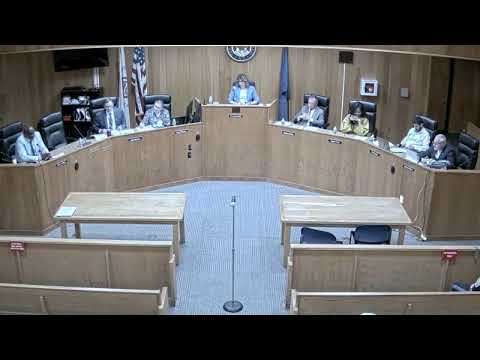
Council reviews 2025 audit, votes to certify after scheduling corrective measures
Summary
City Auditor Gary Vinci reported a $12.5 million fund balance and recommended hiring an outside firm to complete fixed‑asset reporting; councilors reserved detailed judgment on repeat findings and approved certification after the mayor broke a tie.
City Auditor Gary Vinci presented the 2025 municipal audit, saying the city ended the year with a healthy fund balance and strong reserves.
"At the end of '25, your fund balance was actually $12,500,000," Vinci said, adding that the city maintains dedicated reserves for tax appeals ($3,000,000), terminal leave ($1,600,000) and storm recovery ($2,100,000). He described the city's credit rating as "double A," which he said helps lower long‑term borrowing costs.
Vinci listed ten audit recommendations and flagged recurring deficiencies, most notably a multi‑year shortfall in fixed‑asset reporting. He recommended hiring an independent appraisal firm to establish current values and to implement a fixed‑asset reporting module so the city complies with state directives.
Council members reserved detailed comment on the repeated items until the corrective‑action plan is discussed. Council members and staff agreed the corrective measures will be placed on the September meeting agenda so the governing body can review remediation steps and timing.
The council moved to introduce Resolution 219 to certify the annual audit. After a recorded vote produced a tie, Mayor Michael Wiles cast the tie‑breaking vote in favor and the motion passed.
Council members said they want follow‑up and suggested bringing the auditor back in three months if the corrective actions have not been implemented.
Why it matters: The audit documents the city's fiscal position and identifies operational weaknesses—particularly in fixed‑asset accounting and procurement—that the council has directed staff to address and monitor through a formal corrective action process.