Get Full Government Meeting Transcripts, Videos, & Alerts Forever!
Get email alerts on the Inclusion topic
No spam. Unsubscribe anytime.
Panelists Say Pedestals and Selection Process Will Help Ensure Inclusion of Marginalized Women
Summary
Panelists said names, quotes and selection criteria were designed to foreground Black, Indigenous, immigrant and working-class women and to avoid reducing Ohio women’s history to a single heroic figure.
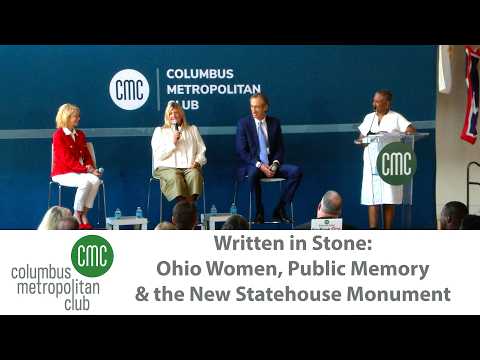
Audience members at the Columbus forum asked directly how the monument would avoid making marginalized women footnotes. Artist Brenda Council and former legislator Stephanie Coonsie said inclusion was a central design parameter and that pedestal inscriptions and name-selection criteria were intended to surface suppressed stories.
"The figures themselves translate into all races...and the historical context in quotes, reflect the scrutiny, of women," Council said, adding that committees vetted which names and quotes would appear on the granite to represent different decades. Coonsie said the selection committees and Monument Commission worked under parameters that required scrutiny before a name could be chosen for inscription.
Panelists acknowledged the challenge of inclusivity in public memorials and said the monument is meant to represent movements and multiple roles rather than a single heroic figure, while panels and committees were built to ensure diverse perspectives in selection and interpretation.