Get Full Government Meeting Transcripts, Videos, & Alerts Forever!
Get email alerts on the Prison Addiction Programs topic
No spam. Unsubscribe anytime.
Concord Prison Outreach brings 8‑week recovery circles to Norfolk to confront synthetic drugs inside prisons
Summary
Concord Prison Outreach (CPO) described an eight‑week restorative justice recovery circles curriculum delivered inside MCI Norfolk aimed at teaching neurobiology of addiction, relapse prevention, and peer support to respond to a rise in synthetic drug use behind bars.
Concord Prison Outreach has adapted an eight‑week restorative justice recovery circles curriculum for delivery inside Massachusetts prisons to address a reported rise in synthetic drug use, the organization’s executive director said.
"It's an 8 week, program. We focus on understanding addiction, the models of addiction," said Sam Williams, executive director of Concord Prison Outreach. Williams said the program covers opioids, synthetics, neurobiology, relapse and trauma, and is intended to build vocabulary and safe spaces where people can explore addiction without judgment. He said the initiative began roughly "about a year and 0.5 ago" as a targeted response at MCI Norfolk.
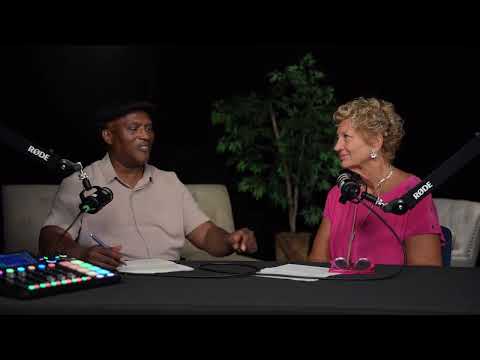
Williams and guest Liz Rust, chair of CPO's board, described a prison drug landscape that has shifted toward potent synthetic mixtures (they cite K2 and fentanyl combinations), and said staff and volunteers have observed an increase in overdoses and emergency medical responses. In the podcast, Rust and Williams framed the program as educational and peer‑led rather than a clinical treatment: "We go into neurobiology, how addiction impacts the brain, how it impacts the body," Williams said, describing an asset‑based approach that pairs lived experience with a structured curriculum.
The hosts cautioned against treating their observations as clinical conclusions. On the program, Rust said that in her experience inside prisons naloxone (Narcan) has not consistently reversed every overdose involving synthetic mixtures; the podcast presents that as the speakers' on‑site observation, not as an established clinical finding. The episode does not provide external medical or public‑health citations for that claim.
CPO posted short video modules for each recovery circle on concordprisonoutreach.org and encourages providers and volunteers to review the curriculum as a peer‑education model to complement clinical care.