Get Full Government Meeting Transcripts, Videos, & Alerts Forever!
Get email alerts on the Property Tax topic
No spam. Unsubscribe anytime.
Committee weighs small millage increase as a way to shore up county revenues
Summary
Justice court members questioned whether a modest millage increase (e.g., from 4.3 to 4.4) could add funds to the county general fund; officials estimated each tenth of a mill brings about $500,000 to county general.
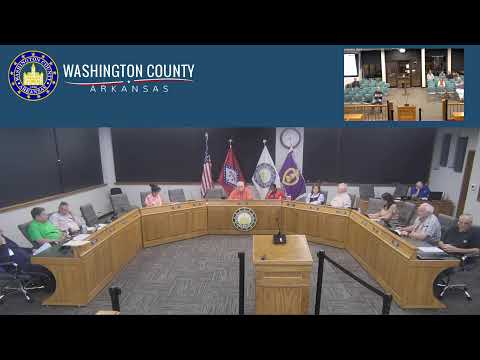
Committee members and county financial officers spent a lengthy portion of the Aug. 10 meeting examining how property millage and reassessment cycles affect county revenue and where additional tax dollars would flow.
"Every 10th of a mill is about 500,000," Comptroller Sherman said when asked how much revenue a small bump would produce; committee members discussed moving the general millage from 4.3 back toward 4.4 and the mechanics and politics of such a decision. Sherman's explanation placed the potential gross county benefit at roughly $500,000 per tenth-of-a-mill change, with some of the increased revenue subject to delinquency and collection timing.
Members also discussed the road millage (currently about 1.0) and a separate library millage; Treasurer Hill explained that a portion of road millage is split with cities (he said the county typically receives roughly 35–40% of that collection, with larger cities receiving the remainder). Committee members noted reassessment years and state caps (currently discussed at 5% and proposals to change to 3%) can materially shift the yield from a millage increase.
No vote on changing millage was taken; the comptroller said he will provide historical breakdowns and a millage-impact chart to the committee during the budget review so members can see who receives what share of property tax dollars and how a modest millage change would affect county general, road and other funds.