Get Full Government Meeting Transcripts, Videos, & Alerts Forever!
Get email alerts on the Railroad Easement topic
No spam. Unsubscribe anytime.
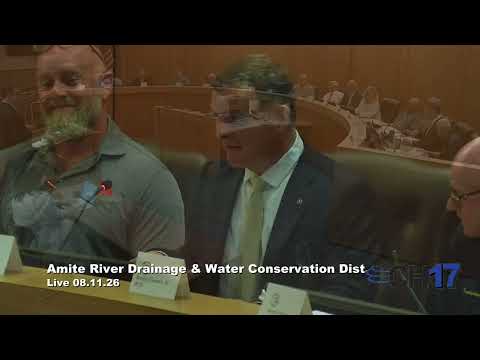
Railroad easement for Lily Bayou crossing deferred after commissioners request stronger protections
Summary
A proposed perpetual railroad easement tied to the Lily Bayou crossing was deferred so legal staff can seek stronger language protecting the commission's ability to maintain and operate the canal while respecting railroad repair needs.
Legal counsel Larry Bankson briefed the commission on a proposed perpetual easement for the railroad bridge at Lily Bayou, saying the document (provided by the Corps of Engineers) defines a "perpetual easement for the purpose of accessing, inspecting, maintaining, repairing, and replacing the bridge and related" matters.
Several commissioners expressed concern about permanently granting rights across ARBC property without protections for the canal and drainage structure. Commissioner Quintmall (Quintwell in transcript) called the move "giving away our rights for nothing" and urged safeguards because maintenance and access across the railroad corridor affect drainage. Commissioner Evans asked that the easement include language that would allow coordinated work so that railroad repairs do not obstruct canal flow.
Legal counsel said the easement is narrower than the older ground‑level easement and is defined by parcel B, but agreed to review the historical agreements and to attempt to add protective language. Commissioner Evans moved to defer the item to the next meeting to allow staff to seek clearer language; the motion to defer (moved by Evans and seconded by Commissioner Quintmall) carried and the easement item was deferred for further work and revision.
The commission did not take final action; staff will return with recommended language and a history of prior agreements before a vote.