Get Full Government Meeting Transcripts, Videos, & Alerts Forever!
Get email alerts on the Tax Dedications topic
No spam. Unsubscribe anytime.
How St. Tammany’s tax dedications limit local spending choices
Summary
Annie Perkins explains that most property tax and many sales-tax revenues are legally dedicated to specific agencies or purposes — set by ballot language or state rules — leaving a small share of discretionary funds for parish officials.
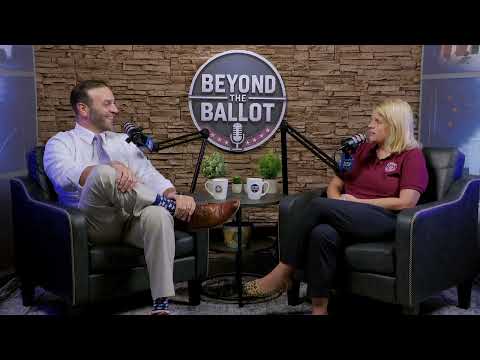
Annie Perkins said much local tax revenue in St. Tammany Parish is legally restricted to defined purposes and cannot be moved without voter approval.
"So 98% of your property taxes are dedicated to specific agencies," Perkins said, describing how ballot propositions and constitutional provisions tie revenue to particular needs such as drainage or school funding. She added that only a small portion — roughly 2% of property-tax receipts in her example — is freely available for general government purposes.
Later in the interview Perkins clarified that, across the parish's entire budget, about 91% is restricted and roughly 9% is unrestricted; the difference reflects that property taxes are only one part of total revenue while other dedicated funds and enterprise revenues further restrict spending flexibility.
Perkins described the parish's role in levying taxes for agencies that cannot themselves place propositions before voters (for example, the library and Council on Aging) and then remitting those funds to the agencies so they can spend them according to the approved propositions.