Get email alerts on the Closed Session topic
No spam. Unsubscribe anytime.
Attorney outlines strict rules for closed sessions and confidentiality
Summary
Brian Goodman reviewed when closed sessions are appropriate, what must be on the agenda, and the legal risks of exceeding the noticed scope, noting closed-session discussions can later surface in litigation or public records processes.
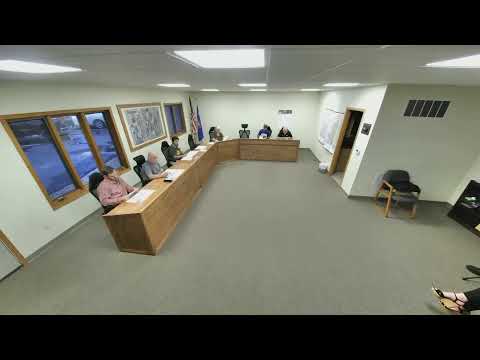
Goodman told the council and commission that closed sessions require a specific agenda item and a formal motion with a roll-call vote to enter. He emphasized that discussions must stay within the stated reason for the closed session and warned that statements or records created in a closed session can later be revealed through litigation or public-records processes.
"Closed session means no 1 talks about it except for the people in that meeting," Goodman said, cautioning members against informal disclosures and explaining that leaking closed-session content can erode trust and create legal liability for individuals and the body.
AI generated
The text on this page is AI generated. Summaries, highlights, analysis, and video transcripts are all produced from the original source material.
AI can make mistakes, so if you spot one, and we will fix it for everyone.
Note: the source content is unaltered by us. Any content source we link to, be it a video, an audio recording, or a document, is presented exactly as its publisher released it. That publisher is usually a government body, sometimes an individual official or another organisation.