Get Full Government Meeting Transcripts, Videos, & Alerts Forever!
Get email alerts on the Corrective Action Plan topic
No spam. Unsubscribe anytime.
District unveils corrective action plan; acting superintendent, BA say reductions and reserves will close gap
Summary
Acting Superintendent Andrea Oates Parchment and Business Administrator Dr. Steven Lewis proposed a corrective action plan that includes immediate cost controls, monthly reconciliations, a hiring freeze and an approximate reduction-in-force of 90 full‑time positions; they also propose asking state permission to use about $9.2M in capital/maintenance reserves as a one‑time offset.
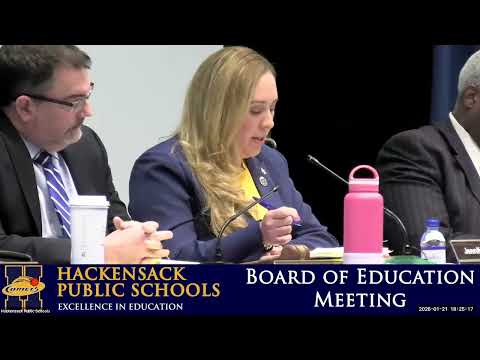
The acting superintendent and business administrator described a corrective action plan the district must adopt after announcing a structural shortfall. “This corrective action plan fixes these record keeping errors and realigns our budget so that our spending strictly matches our income moving forward,” Acting Superintendent Andrea Oates Parchment said. The plan lists specific findings, recommended actions, responsible parties and target dates.
Business Administrator Dr. Steven Lewis told trustees the proposal includes aggressive internal cost reductions, monthly PCR reconciliation across departments, updated accounting and payroll software, and an immediate vacancy freeze. He said the district is proposing to use $9,200,000 from capital, maintenance and unassigned reserves to offset part of the shortfall, and that the administration anticipates approximately 90 full‑time positions will be eliminated over time to restore long‑term balance. “We have a structural shortfall… we are proposing to use $9,200,000 from our capital, maintenance, and unassigned reserves,” he said. Lewis and the acting superintendent said staff training, procurement controls and new electronic vendor and transfer processes are being implemented to prevent recurrence.
The presentation noted the most significant drivers were unbudgeted staff positions, an abrupt increase in health insurance (cited as a roughly $6.1M increase) and the exhaustion of one‑time federal grants. Officials said they are also assessing options to maximize allowable tax levies and pursue state assistance where possible.