Get Full Government Meeting Transcripts, Videos, & Alerts Forever!
Get email alerts on the Budget topic
No spam. Unsubscribe anytime.
Big Spring board adopts $67.4M budget with 3.25% tax increase and orders performance audit
Summary
The Big Spring School District board adopted a $67,422,175 general fund budget for 2026–27 that includes a 3.25% real-estate tax increase and directs administration to solicit performance-audit options; the final budget requires $27,810 from unassigned fund balance.
The Big Spring School District Board of School Directors adopted its final 2026–27 general fund budget on June 8, approving a $67,422,175 spending plan that includes a 3.25% real-estate tax increase.
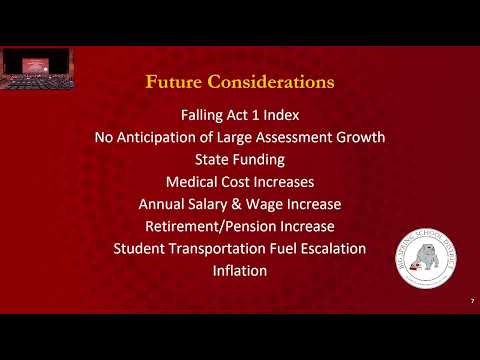
Administration said the budget reflects updated county homestead/farmstead data, a net increase in local revenue of about $67,000 tied to homestead-farmstead allocations, a change of the real-estate tax collection assumption to 96%, and adjustments for rising cyber-charter tuition and enrollment trends. The budget requires $27,810 from the unassigned fund balance to match revenues and expenditures.
The motion to adopt the budget was moved and seconded by board members and passed in a roll-call vote, 5–4. Before the final vote the board rejected a proposal to hold the tax increase at 0% and also declined a 1.5% compromise. During debate, a board amendment to the main motion to require a third-party performance audit passed; the administration was asked to return with options and cost estimates for board approval.
"We were able to add an additional $67,000 in local revenue, allowing us to reduce the original proposed millage rate," finance presenter Mrs. Lenz told the board, explaining the homestead/farmstead and median assessed-value updates that supported the lower-than-original millage recommendation.
Board members debated the trade-offs between revenue stability and taxpayer hardship. One member argued the district has historically under-projected revenues, while others cited significant numbers of residents behind on property taxes. The board directed administration to solicit performance-audit proposals and return with a recommendation and cost estimates.
Next steps include printing and mailing tax bills (target July 1), submitting required state reports (PDE 2028 and DCED), and returning with proposed performance-audit vendors and quotes.