Local Learning starts with local partners to shape curriculum and archive use
Summary
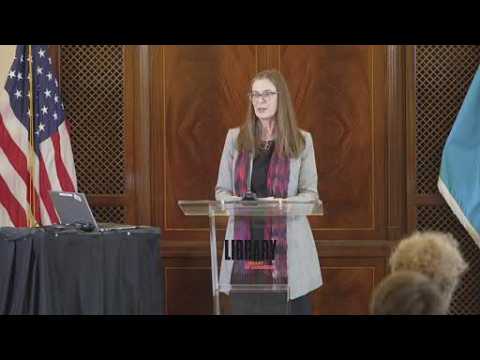
Rathje said the Local Learning team begins projects by working with local archivists and communities—examples included Mount Saint Helens, Seneca Nation partners, Vermont Folklife and Oklahoma State University—to surface materials they want to amplify in classrooms.
Rathje said Local Learning’s projects begin with local partners, asking archivists and fieldworkers which items they consider most special and which stories they want amplified. She cited examples including work with Washington State Parks on Mount Saint Helens, New York Folklore with the Seneca Nation, History Miami Museum, Vermont Folklife, and Oklahoma State University, and described how partners’ priorities shape curriculum themes such as ecology, civil-rights history and seasonal rounds.
That local-first approach, Rathje said, produces heterogeneous curricular sets that reflect each partner's questions and community needs. She emphasized that working with local archivists and fieldworkers also speeds discovery of powerful interview excerpts and helps ensure ethical, community-centered pedagogy.
AI generated
The text on this page is AI generated. Summaries, highlights, analysis, and video transcripts are all produced from the original source material.
AI can make mistakes, so if you spot one, and we will fix it for everyone.
Note: the source content is unaltered by us. Any content source we link to, be it a video, an audio recording, or a document, is presented exactly as its publisher released it. That publisher is usually a government body, sometimes an individual official or another organisation.