Get email alerts on the Zoning topic
No spam. Unsubscribe anytime.
Board passes second reading of zoning ordinance updates; supervisors debate minimum-lot sizes and comp-plan data
Summary
Supervisors completed a second reading of an updated zoning ordinance with textual edits (dates, definitions, floodplain language, WEX/solar placement and numbering fixes). Board members questioned minimum lot sizes and whether zoning changes should trigger tax/assessment discussions; planning staff said the update mainly edits the code book and does not itself change county tax rules.
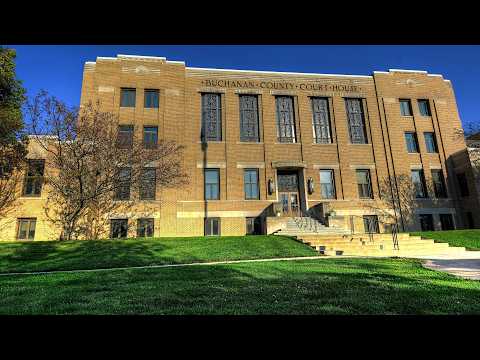
The Buchanan County Board of Supervisors held a public hearing and passed the second reading of a comprehensive zoning ordinance update, which includes multiple editorial and substantive changes intended to align the county code with planning practice.
Staff described updates including changing the plan year references to 2025, adding a definition for the board of adjustment, clarifying floodplain language (including a 500-year floodplain definition), moving wind/solar (WEX) provisions into the manufacturing district, correcting consecutive numbering, and aligning department references to the county engineer's office. The presenter said these edits reflect decisions from recent planning-and-zoning work and the comp plan.
Supervisors pressed planning staff on lot-size minimums for R1 (residential) and A1 (agricultural) zonings and whether the zoning minimums would alter tax assessments. One supervisor cautioned that changing minimum acreage could affect taxpayers because of assessment categories; the county assessor's office later clarified that taxation uses levy rates and that excess acres are assessed at a different (typically lower) rate than building-site value.
Wendy, representing the planning and zoning commission, told the board the current work is meant to update the county's code book and not to rewrite county tax code: "If you want us to update code, that's fine, but we're updating our book as is. You're updating code. If you want us to update code, that's something we would consider separately." The board agreed the item should proceed as an ordinance update while more substantive tax-and-assessment conversations happen outside the zoning hearing process.
The board closed the hearing and voted to pass the second reading. Staff said the effective date and other edits will be finalized on the cover page and the ordinance will be published in the minutes.
AI generated
The text on this page is AI generated. Summaries, highlights, analysis, and video transcripts are all produced from the original source material.
AI can make mistakes, so if you spot one, and we will fix it for everyone.
Note: the source content is unaltered by us. Any content source we link to, be it a video, an audio recording, or a document, is presented exactly as its publisher released it. That publisher is usually a government body, sometimes an individual official or another organisation.