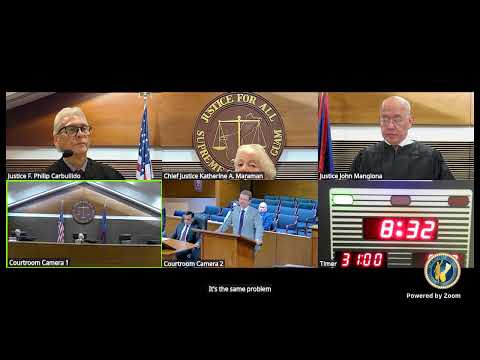
Justices probe when 'culpable conduct' merits refusing to set aside default
Summary
Counsel debated whether Ninth Circuit precedents require intentional misconduct or allow default relief when legally sophisticated parties simply missed an answer. The bench pressed distinctions between 'unsophisticated' parties and those with counsel.
During argument the bench repeatedly questioned both sides about the definition of "culpable conduct" under the MID C / Ninth Circuit framework. Appellant counsel argued culpability should mean intent to take advantage of the judicial system and not mere notice or carelessness; he warned that equating culpability with constructive notice would turn the test into strict liability.
Respondent counsel pointed to a basket of Ninth Circuit cases distinguishing unsophisticated parties (e.g., administrative forfeiture or pro se litigants) from legally sophisticated parties and argued the trial court reasonably concluded the defendants—given multiple counsel and a substituted attorney who was an attorney-party—failed to provide a satisfactory explanation for the 18-month lapse. Justices discussed Pioneer, Mesley, TCI and other precedents and pressed counsel on whether the superior court properly weighed sophistication, prejudice, and meritorious defenses.
AI generated
The text on this page is AI generated. Summaries, highlights, analysis, and video transcripts are all produced from the original source material.
AI can make mistakes, so if you spot one, and we will fix it for everyone.
Note: the source content is unaltered by us. Any content source we link to, be it a video, an audio recording, or a document, is presented exactly as its publisher released it. That publisher is usually a government body, sometimes an individual official or another organisation.