Gaza committee chief says Rafah crossing will open next week
Summary
Dr. Ali Shaif, head of the National Committee for the Administration of Gaza, said in a video message that "the Rafah Crossing will open next week in both directions," calling the move a lifeline and an early step toward rebuilding Gaza with a focus on restoring daily life and institutions.
Dr. Ali Shaif, identified in the program as head of the National Committee for the Administration of Gaza, delivered a recorded message saying the Rafah crossing will open "next week in both directions," and described that step as a lifeline for Gazans.
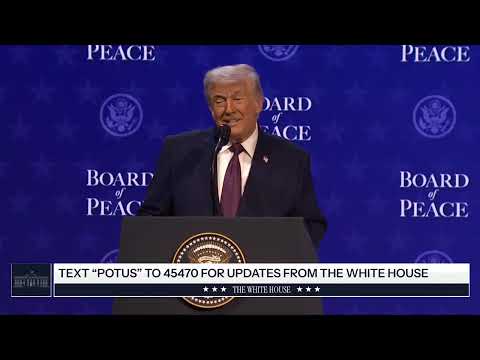
Shaif framed the announcement as part of a larger transition that will require restoring institutions, rule of law and security. "Opening Rafah signals that Gaza is no longer close to the future and to the world," he said in the recorded remarks introduced during the Davos ceremony. He added that effective transition "will succeed only if it delivers real tangible improvements in daily life for Gazans."
Why this matters: access at Rafah affects the flow of people and goods into Gaza and is a focal point for humanitarian aid and reconstruction logistics. The announcement at a multinational event signals an intent to reopen a major crossing but did not include operational details such as capacity, scheduling, or which authorities will control or staff the crossing.
The recorded message stressed that the committee's work will be technocratic and apolitical and emphasized the need for broad cooperation. Shaif asked the public to judge the transition by whether it delivers concrete improvements in services, employment and safety; he did not provide an implementation timeline beyond the opening week or name the security or administrative arrangements that will govern the crossing.
AI generated
The text on this page is AI generated. Summaries, highlights, analysis, and video transcripts are all produced from the original source material.
AI can make mistakes, so if you spot one, and we will fix it for everyone.
Note: the source content is unaltered by us. Any content source we link to, be it a video, an audio recording, or a document, is presented exactly as its publisher released it. That publisher is usually a government body, sometimes an individual official or another organisation.