Public‑health official outlines kratom risks, options including retailer licensing
Summary
Clay County public‑health staff presented evidence of local kratom addiction, described pharmacology and product risks, and outlined options such as retailer licensing, point‑of‑sale health notices, zoning, and restrictions on high‑risk extracts.
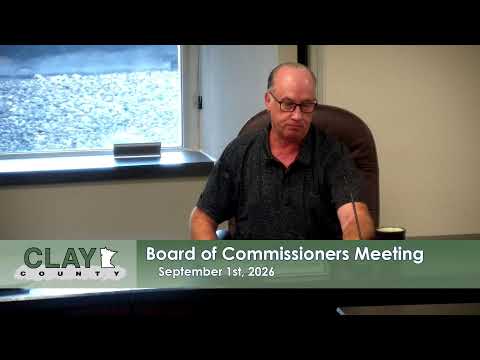
Jason McCoy, Clay County public‑health substance‑misuse lead, briefed the board on kratom during a joint Clay‑Becker presentation on Sept. 1, citing the county’s first local addiction report eight months ago and national regulatory activity. "On a national level, kratom is being looked at by the DEA," McCoy said, and he noted a recent North Dakota action that temporarily scheduled kratom in response to a string of deaths.
McCoy described kratom’s active alkaloids (mitragynine and 7‑hydroxymitragynine), warned that "natural doesn't mean harmless," and explained that product potency and contamination vary widely in the unregulated supplement market. He recommended several local policy considerations—licensing retailers, restricting sales to 21+ retail environments, standardized point‑of‑sale health information, zoning limits and a possible prohibition on retail sales—while stressing that these were “considerations” and that education and treatment access should accompany any regulatory change. "We can help people with withdrawal...we have the medications to help the people with that," McCoy said, urging public awareness alongside any policy deliberations.
AI generated
The text on this page is AI generated. Summaries, highlights, analysis, and video transcripts are all produced from the original source material.
AI can make mistakes, so if you spot one, and we will fix it for everyone.
Note: the source content is unaltered by us. Any content source we link to, be it a video, an audio recording, or a document, is presented exactly as its publisher released it. That publisher is usually a government body, sometimes an individual official or another organisation.