
Back to Ottawa County Feed
Ottawa County
countyOttawa County, Oklahoma
Overview
- Classification
- County
- FIPS Code
- 40115
- Country
- United States
- County
- Ottawa County
Geography
- Region
- Northeastern Oklahoma
- Total Area
- 485 sq mi
- Land Area
- 471 sq mi
- Water Area
- 14 sq mi
- Latitude
- 36.84
- Longitude
- -94.81
- Notable Features
- Ozark Plains (eastern part) · Neosho Lowlands (western part) · Neosho River · Spring River
- Neighboring Areas
- Cherokee County, KS · McDonald County, MO · Newton County, MO · Craig County, OK · Delaware County, OK
Demographics
- Population (2020)
- 30,285
- Est. Population (2026)
- 30,580
- Median Age
- 37.3
- Median Income
- $48,656
- Poverty Rate
- 20.87%
- Owner-Occupied
- 67.3%
- Racial & Ethnic Composition
- 62.9% White (Non-Hispanic), 18.7% American Indian & Alaska Native (Non-Hispanic), 9.26% Two Races Excluding Other, & Three or More Races (Non-Hispanic), 2.9% Other (Hispanic), 1.21% Two Races Including Other (Hispanic)
Governance
- Government Type
- Board of County Commissioners
- Governing Body
- Board of County Commissioners
- Body Size
- 3 members
- Municipal Services
- Sheriff's Office · Assessor · County Clerk · Treasurer · Court Clerk · Election Board · Emergency Management · OSU Extension · Health Department
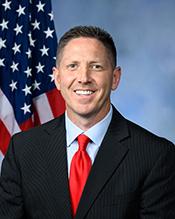
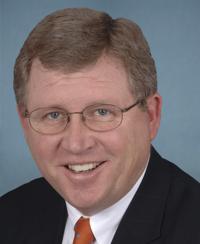
U.S. Congress





Economy
- Unemployment Rate
- 3.4%
- Economic Profile
- Lead and zinc mining (historical) · Tourism
- Employment Sectors
- Health Care & Social Assistance · Manufacturing · Retail Trade
- Major Employers
- Ottawa County Courthouse · Walmart · Lowe's Home Improvement
Education
- Schools
- 22
- Students
- 5,682
- School Districts
- Afton Public Schools · Commerce Public Schools · Fairland Public Schools · Miami Public Schools · Quapaw Public Schools · Welch Public Schools · Wyandotte Public Schools · Turkey Ford Public School (elementary only)
- Colleges & Universities
- Northeastern Oklahoma A&M College (NEO)
History
- Founded
- 1907
- Named After
- Ottawa Tribe of Oklahoma
- Historical Significance
- Part of the Tri-State district, a center of lead and zinc mining in the early 20th century; significant Native American presence
- Key Events
- Area inhabited by prehistoric indigenous peoples · Osage Nation moved into the area · Relocation of tribes under Indian Removal program · Lead and zinc mining boom · Establishment of Tar Creek Superfund Site · Closure of Picher due to environmental contamination