Get AI Briefings, Transcripts & Alerts on Local & National Government Meetings — Forever.
Council debates moving North Augusta municipal elections to November even-year cycle
Loading...
Summary
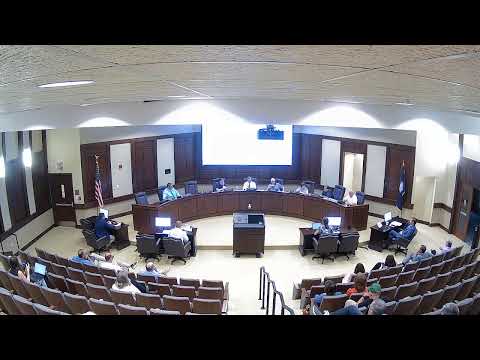
North Augusta officials discussed staff-drafted language at the Oct. 13 study session that would move the city’s general elections from the current May cycle to the federal November even-year cycle.
North Augusta officials discussed staff-drafted language at the Oct. 13 study session that would move the city’s general elections from the current May cycle to the federal November even-year cycle.
City Administrator Jim Clifford and city attorney research by staff member Kelly (last name in transcript: Ziero/Ziero variant) were cited in the briefing. Staff noted two primary reasons to consider the change: higher voter turnout during federal-election cycles and cost savings because off‑cycle municipal elections require the city to pay the municipal election commission and incur overtime and other local administration costs. Clifford said the city typically spends in the ballpark of $10,000 to $14,000 to run an off-cycle general election.
Staff presented an ordinance draft that would set all general elections for mayor and members of the city council on the first Tuesday following the first Monday in November of even-numbered years, with runoffs held two weeks later if needed. Clifford explained that council could either lengthen or shorten terms to align the calendar; the staff option discussed at the meeting would shorten each member’s current term by six months to make the next municipal election occur in November 2026.
Kelly (staff legal researcher) summarized prior attorney-general opinions saying municipalities have the authority to set their election dates and that changes are permitted so long as they are not enacted for an impermissible political purpose; Kelly said he was seeking a confirmation opinion from the South Carolina attorney general regarding any federal preclearance requirements and expected it likely would not be required. Several council members voiced support, citing higher turnout, reduced confusion from consolidated polling locations and lower city costs; one councilmember noted concerns historically raised about preserving an "educated electorate," but most members said the benefits of higher turnout and convenience outweighed that concern.
Clifford said staff will place the ordinance on the agenda for formal consideration at the next council meeting; the measure requires two readings. The study session recorded broad council support but no formal vote on the ordinance was taken during the session.