Lifetime Citizen Portal Access — AI Briefings, Alerts & Unlimited Follows
Staff member warns of widespread unexploded ordnance in Gaza as clearance scales up
Loading...
Summary
A staff member said there is a high presence of unexploded weapons in Gaza, that accurate timelines for clearance require technical surveys, and that mine-action activity and public education are being scaled up.
A staff member said there is a high presence of unexploded weapons in Gaza and warned that clearing them will take a considerable amount of time, according to remarks in the transcript.
The staff member said a full, detailed technical survey and complete access to affected areas are needed to estimate how long clearance will take and described ongoing mine-action activity that is being scaled up as people move around more.
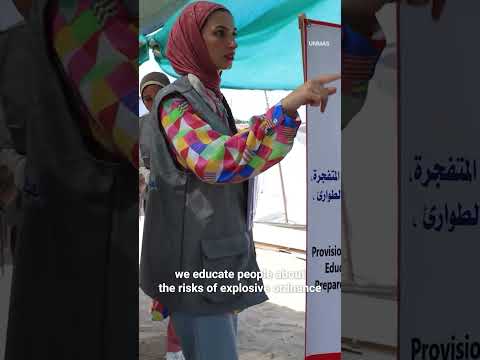
“We know there's a high presence of unexploded weapons, in Gaza, and it will take a a considerable amount of time to deal with them as we come across finding them. You cannot get accurate information in detail how long it'll take until this complete access and a detailed technical survey can take place, which gives them greater sense of the problem and how long things would take. And we know from previous conflicts, every time explosive weapons are used, many fail to function as designed, and they become unexploded ordnance and pose a risk to, anyone in that area, for life and limb. We have already begun, mine action activity throughout the conflict, and now it's scaling up as people move around a lot more. It's really important we educate people about risks of explosive ordnance, and we mitigate the risk this these explosive ordnance pose by putting out UD teams who can identify these items, explain their threats, and mark them, and make sure that is mitigated, and people understand not to touch that,” the staff member said.
The staff member added that progress is incremental and that teams will continue efforts to reduce risk and return some normalcy for people in affected areas.
“It is small steps, and each day will get better. My team and myself will work as hard as we can to just normalize the situation, to make life return as normal, to remove these threats, to warn people of these threats. We'll try our hardest to do that,” the staff member said.
The remarks in the transcript describe discussion of ongoing mine-action work and public education but do not record any formal decisions or votes on new programs or funding. The transcript indicates priorities are: (1) completing technical surveys to measure the scope of unexploded ordnance, (2) scaling existing mine-action activities as population movements increase, and (3) educating civilians about the risks and marking hazardous items when identified.
No statutes, ordinances, resolutions, or formal actions were recorded in the provided transcript excerpts.