
Physical therapists urge older adults to build strength to avoid "1 rep max" living
Get AI-powered insights, summaries, and transcripts
Subscribe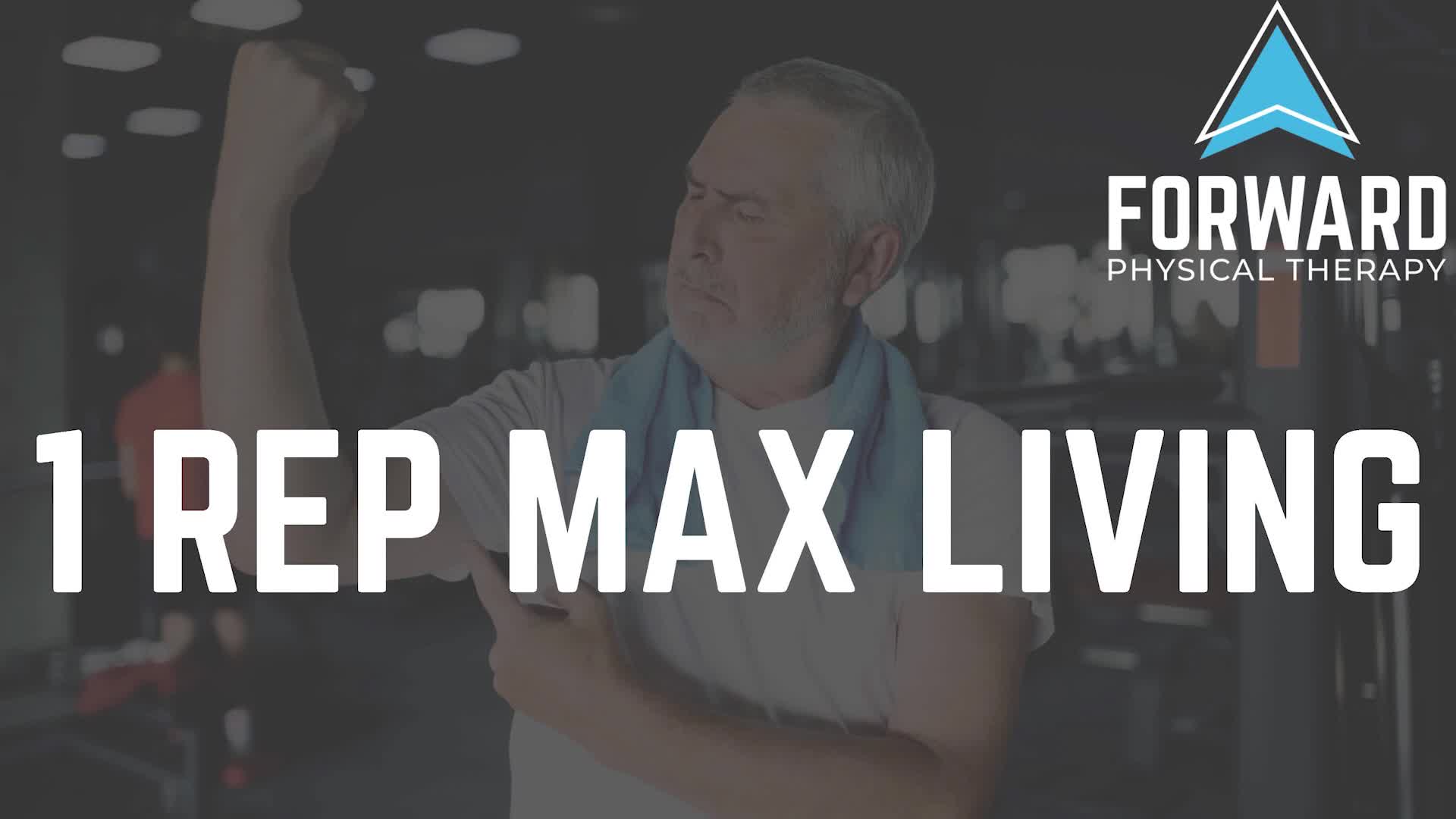
Summary
Forward Physical Therapy physical therapists Michelle and Kristen presented "1 rep max living" at the Verona Senior Center on Oct. 5, 2025, demonstrating simple movement tests and offering on-site grip-strength testing to identify when everyday tasks approach a person's maximum physical capacity.
VERONA, Wis. — Forward Physical Therapy physical therapists Michelle and Kristen visited the Verona Senior Center on Oct. 5, 2025, to present "1 rep max living," a concept that describes when the demands of daily life approach or exceed an individual's maximum physical capacity. The morning program included demonstrations of movement-based “vital signs,” and the presenters offered on-site grip-strength testing after the talk.
The concept, presented by Michelle (physical therapist) and Kristen (physical therapist and owner of Forward Physical Therapy), frames common daily tasks — lifting a laundry basket, climbing stairs, getting up from a chair — as physical demands that can move a person closer to a critical threshold of function. "If you think lifting is dangerous, try being weak. Being weak is dangerous," Michelle said during the presentation.
The presenters said clinicians can screen older adults with simple measures they called movement vital signs: gait (walking) speed, the timed up-and-go test, grip-strength testing with a handheld dynamometer, and the 30-second chair-stand test. Michelle said research links lower grip strength and slower walking speed to higher risks of hospitalization, falls and mortality. The presenters described commonly used cutoffs cited in their talk: grip-strength scores below about 26 (male) and 16 (female) — roughly 57 pounds and 35 pounds, respectively — as associated with increased risk, and gait speeds below about 2.2 mph as associated with greater dependence in activities of daily living.
Forward Physical Therapy offered practical next steps during a question-and-answer period. The presenters said Medicare generally covers physical therapy evaluations and that Medicare often requires a physician referral; they also said some Medicare Advantage and commercial plans may differ and that their clinic can check eligibility for individual patients. Kristen and Michelle said they will perform voluntary grip-strength testing at the senior-center event and enter results into their system to show participants percentile ranks for their age group.
The presenters encouraged resistance training as part of a long-term strategy to raise an individual's functional capacity, saying that modest but regular strength training (they cited one to two sessions per week as a meaningful minimum) can help move people away from the threshold where daily tasks approach maximum capacity. Michelle and Kristen said Forward Physical Therapy will begin a resistance-training class for people 55 and older at their new Nesbitt location in Fitchburg this November and invited attendees to contact the clinic to schedule evaluations.
The presentation included a rehabilitation case example: Michelle described a patient, Linda, age 85, who after a severe fall and months of inpatient or home health therapy continued outpatient work and progressed to walk 0.8 miles — a goal the patient had set. Michelle used the case to illustrate progressive strength and function gains over months of therapy.
Program manager Alisa Wiese opened the session and invited attendees to request future presentations. Shannon, identified by the presenters as an administrator, assisted during the event. After the formal presentation, Forward Physical Therapy staff remained to test grip strength and answer individual questions about arthritis, peripheral neuropathy, balance and how to scale exercises to different abilities.
No formal policy, ordinance or vote arose from the presentation; the program was educational and the presenters emphasized screening, individualized exercise plans, and referrals when medically appropriate. Forward Physical Therapy described the "1 rep max living" term as originating with a physical therapist in Kentucky who teaches older-adult classes and trains other clinicians; the presenters said they are not claiming a trademark on the term and are using it as a way to communicate the concept in clinical and community settings.
For attendees wanting follow-up, the presenters provided business cards and offered to share the slide presentation electronically. They also said they will coordinate a time to provide instruction on exercise equipment available at the senior center for the center’s pickleball program.