Lifetime Citizen Portal Access — AI Briefings, Alerts & Unlimited Follows
Neighbors win party status; BZA continues hearing on 409 East Capitol rear addition, use variance
Loading...
Summary
The Board of Zoning Adjustment continued an application by Parasol Tree Holdings LLC to convert and add to 409 East Capitol St. SE, granted opposing neighbors party status and set a Nov. 5 continued hearing while asking the applicant for additional documentation on zoning determinations, plans and permits.
The District of Columbia Board of Zoning Adjustment on Sept. 10 continued a contested case over Parasol Tree Holdings LLC’s application (No. 21333) to allow an office use on the First Floor and a three‑story rear addition resulting in 70% lot occupancy at 409 East Capitol St. SE. The board granted party status to two adjacent homeowners and continued the public hearing to Nov. 5, 2025, while asking the applicant to supply additional materials for the record.
Neighbors and their attorney told the board they were principally opposed to the requested 10% lot occupancy increase and the planned rear massing, which they said would intrude on views, shade backyards and reduce property values. Lyle Blanchard, attorney for the neighbors, asked the board to require more detailed plans, clearer documentation of prior approvals and proof the current commercial use is lawfully in place.
The board said it would allow the neighbors expanded participation: Vice Chair Carl Blake moved to grant party status to the pair who own and occupy the adjacent buildings; the motion was seconded and the board’s staff recorded the vote as 3–0–2 to grant party status. The board then set a schedule: the applicant is to file supplemental materials by Oct. 22, responses are due Oct. 29, and the hearing will resume Nov. 5.
Why it matters: the application seeks both a use variance under subtitle X and a special exception from lot occupancy rules in subtitle E for a property inside the Capitol Hill Historic District with a long history of Ground‑Floor commercial use. Neighbors and the Office of Planning agree the case raises two distinct issues: (1) whether the Ground‑Floor commercial occupancy should be regularized by use‑variance process, and (2) whether the proposed rear addition would meet the special‑exception standards for lot‑occupancy increases.
What the board asked for: during deliberations board members requested (at a minimum) the applicant provide the following before the continued hearing: (1) copies of any Certificate(s) of Occupancy or business licenses showing the First‑Floor use history and rent rolls showing tenancy since 2019; (2) the earlier written exchange(s) with a prior zoning administrator that the applicant cited in the record (emails attributed to Matt LeGrande) and any updated determination by the current zoning administrator; (3) clearer floor plans showing the proposed internal layouts and exact locations and functions of windows and roof‑deck access, so the board can evaluate privacy and configuration; (4) HPO/HPRB and CHRS documentation and any applicable advisory‑agency comments; (5) clarification of the applicant’s calculation of lot occupancy and rear‑yard setbacks; and (6) any additional shadow or sight‑line diagrams referenced by the applicant. The board said it would accept a petition and written materials from neighbors filed before the Oct. 29 response deadline.
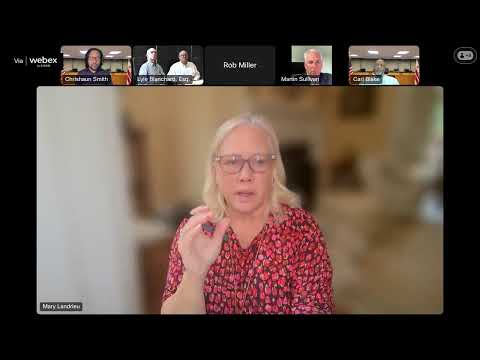
Neighbors’ case: Frank Snellings, co‑owner of 405–407 East Capitol St., said the addition would “tower over our side yard” and described a series of photographs and site markings he had supplied to the board showing the proposed extension’s visibility from nearby yards and from Fourth Street. Mary Landrieu, who also owns the abutting property, said she and other immediate neighbors were not notified directly by the applicant and urged the board to weigh the “loss of view and light” the neighbors described.
Applicant’s position: Marty Sullivan, attorney for Parasol Tree Holdings, said the property’s Ground‑Floor commercial footprint dates to the mid‑20th century and that the proposed rear addition would preserve the building’s front elevation, meet rear‑yard minimums (the planned rear yard is 30 feet) and remain below the maximum permitted height (the sloped roof’s high point was described in the plans as about 29.5 feet). Sullivan said the Office of Planning had already recommended approval of the requested relief and that the technical questions raised by neighbors could be resolved through the supplemental filings the board required.
Next steps: the board formally continued the hearing to Nov. 5, 2025. The record will remain open for the listed supplemental submissions from the applicant (deadline Oct. 22) and for responses from the parties and neighbors (deadline Oct. 29). The board said it will not accept new categories of evidence beyond the items it requested without prior leave.
Context: this is one of several recent cases in which owners of small, historic Capitol Hill commercial buildings have sought to regularize long‑standing Ground‑Floor commercial uses while adding residential units in the rear or above. Board members emphasized they will apply the zoning text and long‑standing BZA precedent to both the use‑variance and the lot‑occupancy questions rather than treating the case as a strictly procedural dispute. The board also warned applicants and opponents that continued hearings make careful pre‑hearing submission and community outreach especially important.